
Sittong, Darjeeling: Distances, Sightseeing, Homestays and Weather (Complete Travel Guide)
Photo by @roygopanjali (https://instagram.com/roygopanjali)
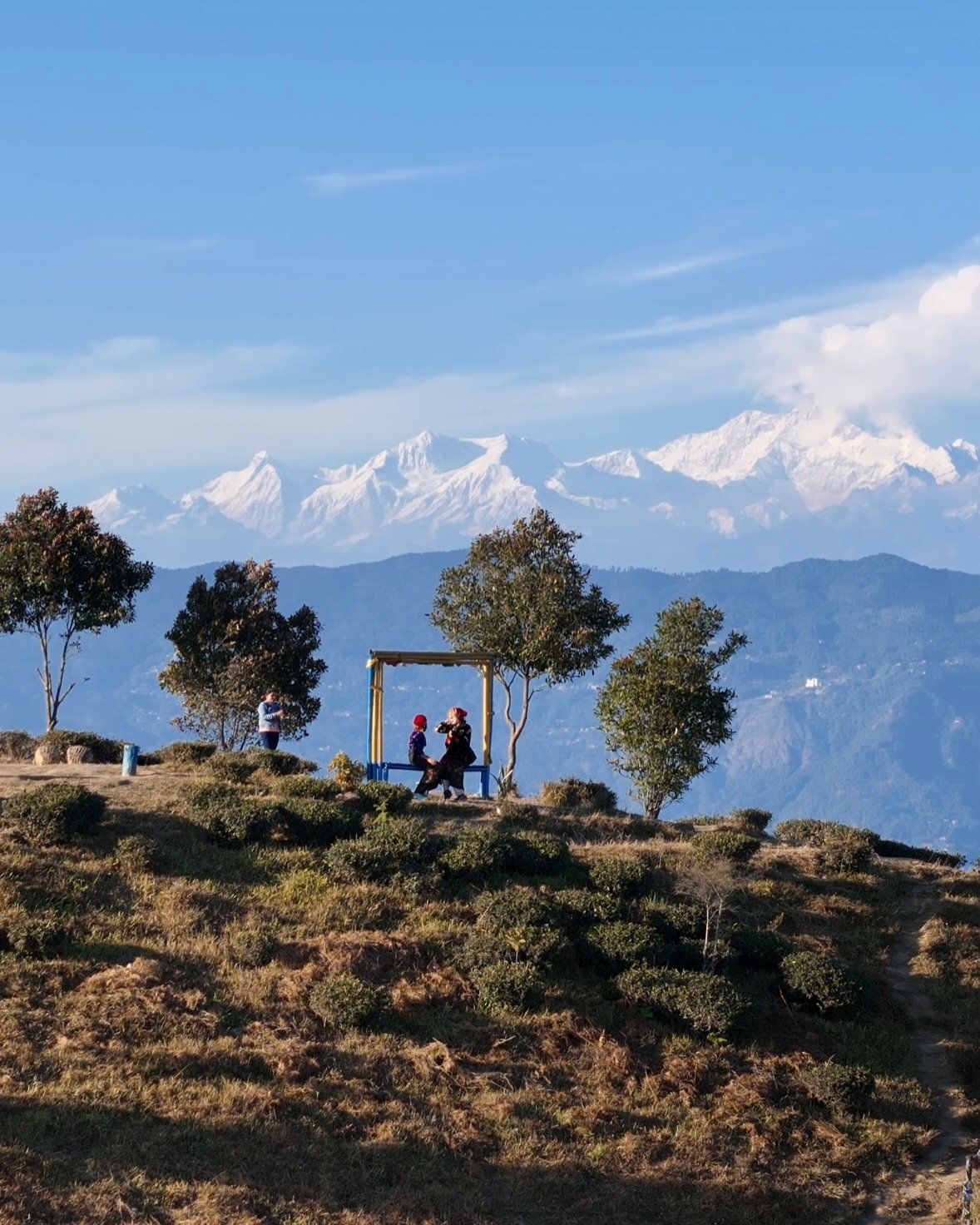
Most trips to the Darjeeling hills follow the same crowded route: Tiger Hill, the Mall, a toy train ride. Sittong is where you go when you want something quieter. Tucked into the Kurseong subdivision between the Hill Cart Road and the Teesta valley, Sittong is a scattering of villages known for orange orchards, tea gardens, forest trails and clear mornings with Kanchenjunga on the skyline. There are no malls, no big hotels and no nightlife. What you get is village homestays, home-cooked meals and a lot of silence.
This guide covers everything you need to plan a trip: the Sittong to Darjeeling distance, the Sittong to NJP distance, the Sittong to Siliguri distance, the best Sittong sightseeing spots, where to find a Sittong homestay, and what Sittong weather looks like through the year.
Sittong at a Glance
| Detail | Information |
|---|---|
| Location | Kurseong subdivision, Darjeeling district, West Bengal |
| Altitude | Around 4,000 ft on average; higher villages like Mahaldiram reach about 6,000 ft |
| Distance from Darjeeling | About 35 km (roughly 1 hr 45 min by car) |
| Distance from NJP / Siliguri | About 60-65 km (roughly 2 hr 30 min to 3 hr) |
| Distance from Bagdogra Airport | About 64 km (roughly 2 hr 40 min) |
| Distance from Kalimpong | About 51 km (roughly 2 hr 30 min) |
| Nearest town | Kurseong, about 24 km away |
| Best time to visit | March to June and October to November for views; November to January for oranges |
| Ideal stay | 2 to 3 nights |
| Type of stay | Homestays with meals included |
What Is Sittong?
A common mistake is to think of Sittong as a single village. It is actually a cluster of villages spread across a large hilly area, administered as three Gram Panchayats: Sittong-I, Sittong-II and Sittong-III. That matters for planning, because where you stay decides what you see in the morning and how much driving you do each day.
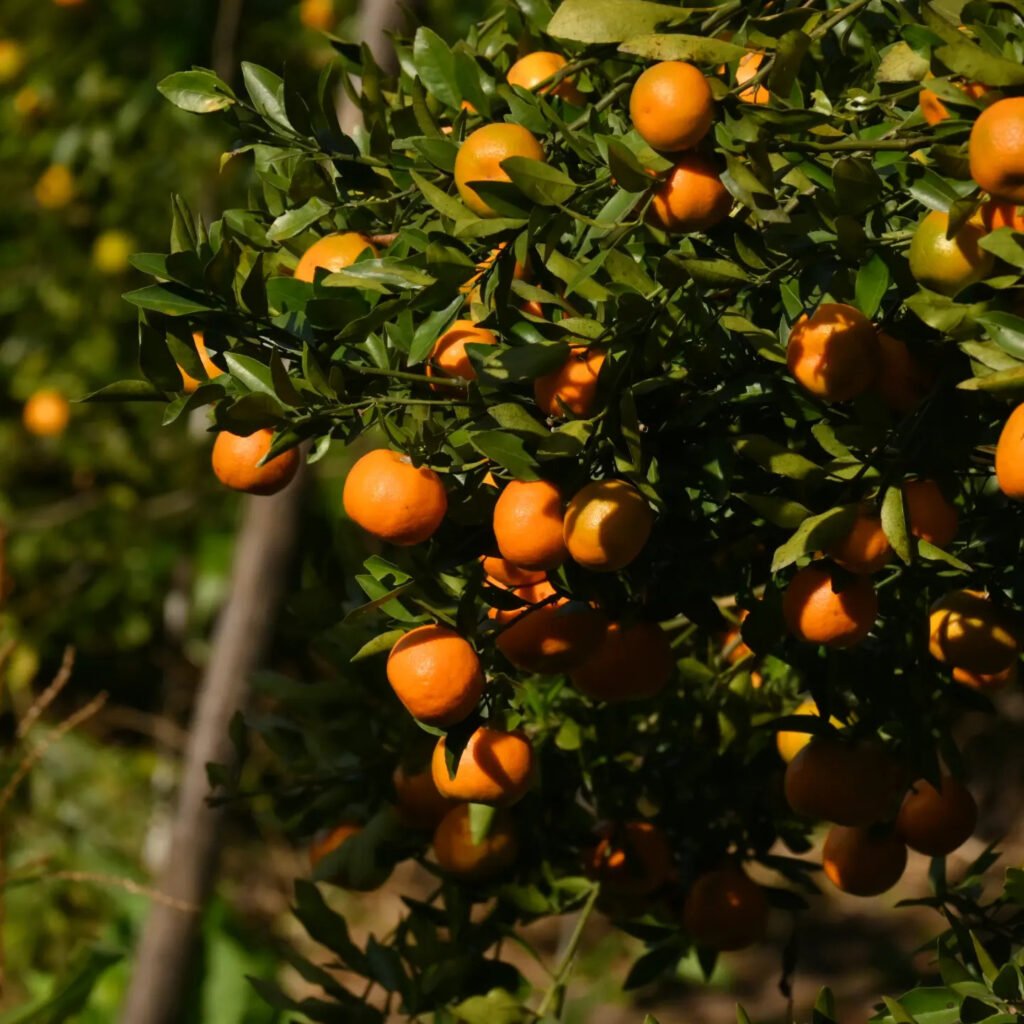
Photo by @arnab___mukherjee (https://instagram.com/arnab___mukherjee)
- Sittong-I (Upper Sittong) is the core of the area. Villages such as Ghalaytar, Tham, Mana and Panch Pokhri are here, along with many of the best-known homestays and the widest Kanchenjunga views.
- Sittong-II includes Mamring and Mahaldiram. Mahaldiram is the highest point in Sittong and is the place to pick if you want to wake up next to a tea garden.
- Sittong-III includes Latpanchar, Mangpu and the Shelpu area. Latpanchar sits on the higher edge of the Mahananda Wildlife Sanctuary, which makes it popular with birdwatchers, while Mangpu is known for cinchona plantations.
Because the area is spread out, a car from your homestay is usually the easiest way to move between villages.
Sittong to Darjeeling Distance
The Sittong to Darjeeling distance is about 35 km by road, and the drive takes roughly 1 hour 45 minutes. That is shorter than it sounds on a map but slower than you might expect, because the roads are narrow and winding.
The usual route goes down the Hill Cart Road (NH 110) towards Kurseong, then turns up Bagora Road at a settlement called Dilaram. From there the road climbs through Bagora and Pokhriatar into the Sittong area.
There is also a scenic alternative. From Darjeeling you can take Peshok Road at Jorebungalow, turn right at 3rd Mile, and drive through Mangpu and across the Jogighat Bridge. This route is about 40 km and takes around 2 hours 10 minutes, but it passes through forest and is more interesting than the main road. Sittong is also about 51 km from Kalimpong, a drive of around 2 hours 30 minutes via Rambi Bazaar on the Sevoke Road.
Sittong to NJP Distance and Sittong to Siliguri Distance
New Jalpaiguri (NJP) station is part of Siliguri, so the Sittong to NJP distance and the Sittong to Siliguri distance are roughly the same. Depending on the route, expect between 55 and 69 km and a drive of 2.5 to 3 hours. Bagdogra Airport is also about 64 km away.
Here are the main routes:
| Route | Approx. distance from NJP | Approx. time | Notes |
|---|---|---|---|
| Hill Cart Road via Kurseong and Dilaram | 64 km | 2 hr 40 min | The most reliable and most used route |
| Sevoke Road via Kalijhora and Latpanchar | 55 km | 2 hr 30 min | Shortest, but the road is often in poor condition |
| Sevoke Road via Birik Dara | 60 km | 2 hr 45 min | Narrow uphill road, usually rough |
| Sevoke Road via Rambi Bazaar and Mangpu | 69 km | 3 hr | Longest, passes Jogighat Bridge |
For most travelers, the Hill Cart Road route is the safest choice. The Sevoke Road sections can be affected by landslides, especially in the rainy season, so ask your homestay about current conditions before you set off.
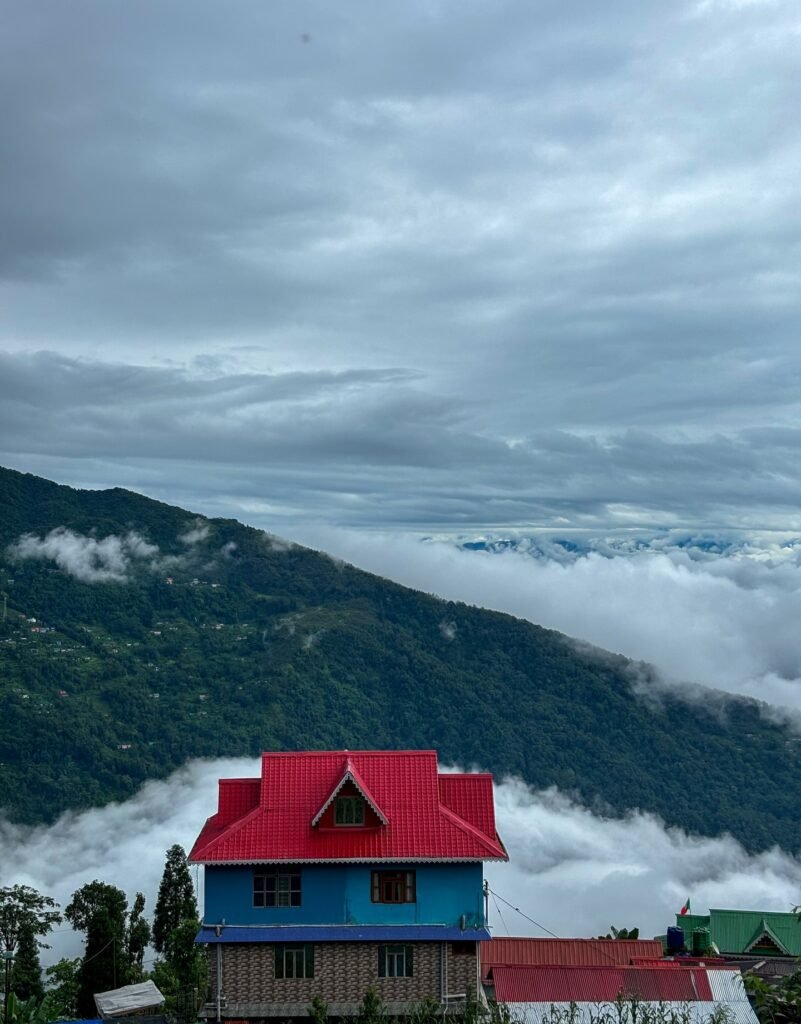
Photo by @wanderer__madridista (https://instagram.com/wanderer__madridista)
Getting to Sittong by taxi
There are no shared taxis that run all the way from NJP or Siliguri to Sittong. Your realistic options are:
- Reserved private car: Book a car from NJP, Bagdogra or Darjeeling, or ask your homestay to arrange a pickup. Small cars have typically cost somewhere around Rs. 3,000 to 3,500, though prices rise in peak season, so confirm the fare in advance.
- Shared taxi plus local car: Take a shared Darjeeling-bound jeep from Siliguri and get off at Dilaram, then hire a local car for the last stretch. This is cheaper but takes more effort.
- Local shared jeeps within Sittong: A few run between villages and Bagora, Dilaram or Kurseong, but only once or twice a day and mainly for residents, so they are not reliable for tourists.
Sittong Sightseeing: Top Places to Visit
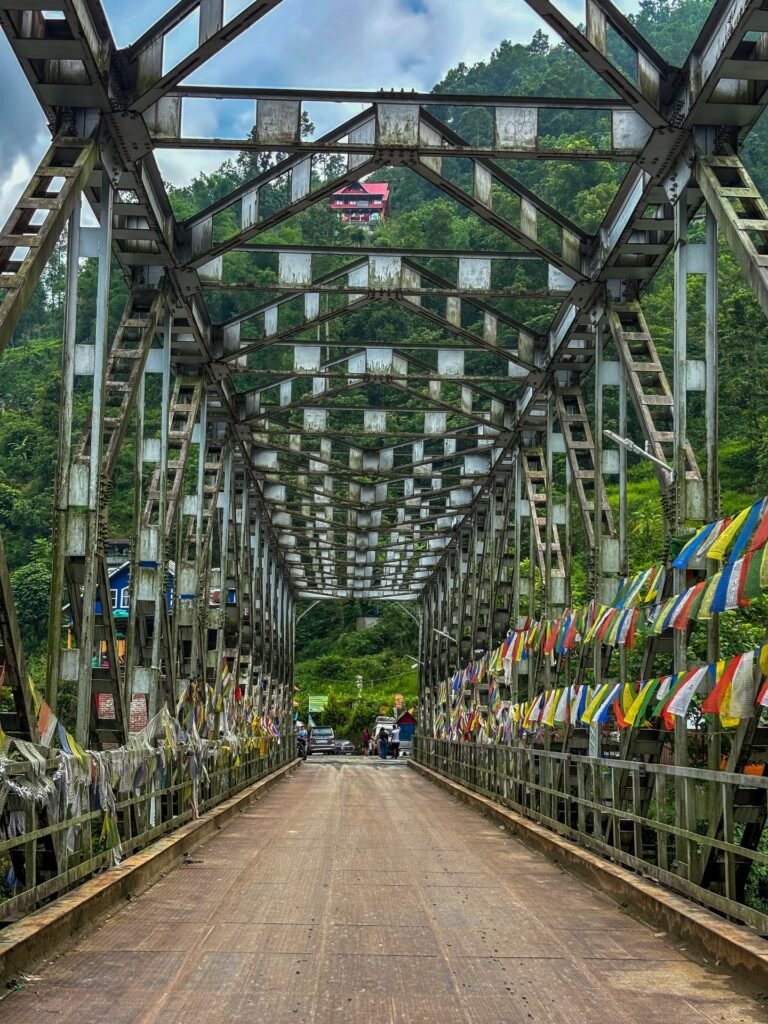
Photo by @wanderer__madridista (https://instagram.com/wanderer__madridista)
Sittong sightseeing is about nature rather than monuments. Here are the places worth your time.
1. Orange orchards
Sittong is often called the land of oranges, and the orchards around the Shelpu area are the main draw. Each orchard has its own owner, and for a small entry fee someone will usually walk you through the trees, explain how the fruit is grown and let you taste it. The season runs roughly from November to January, which also makes it a good winter trip.
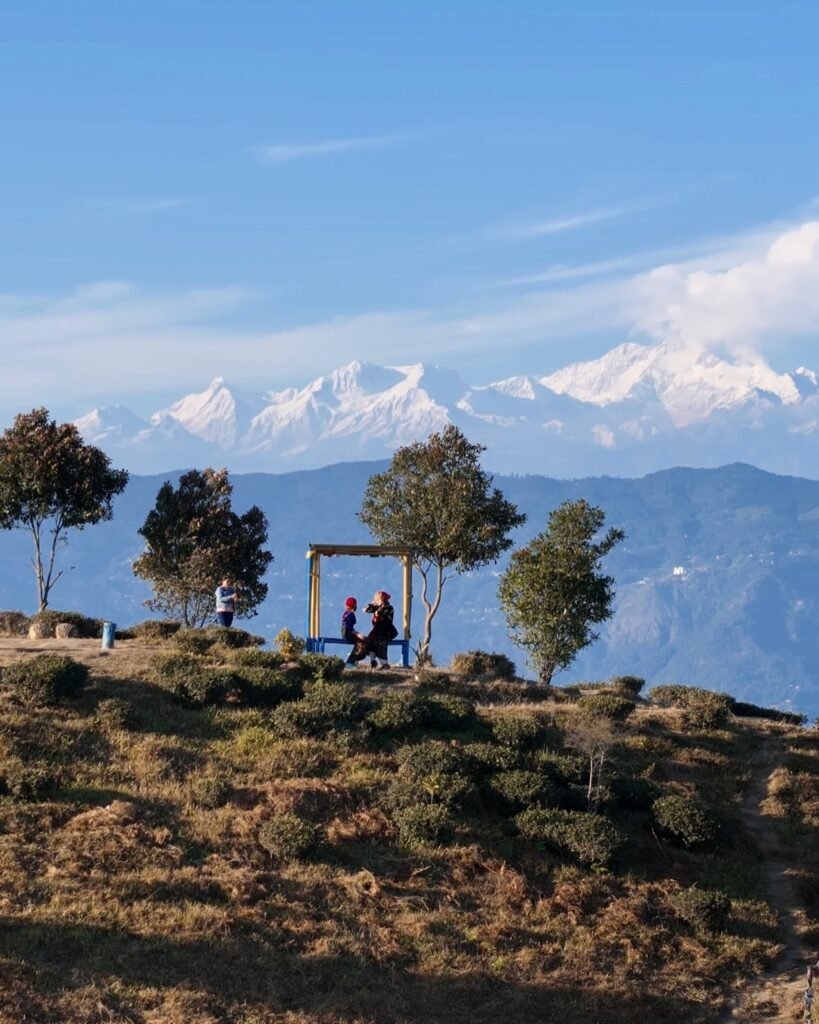
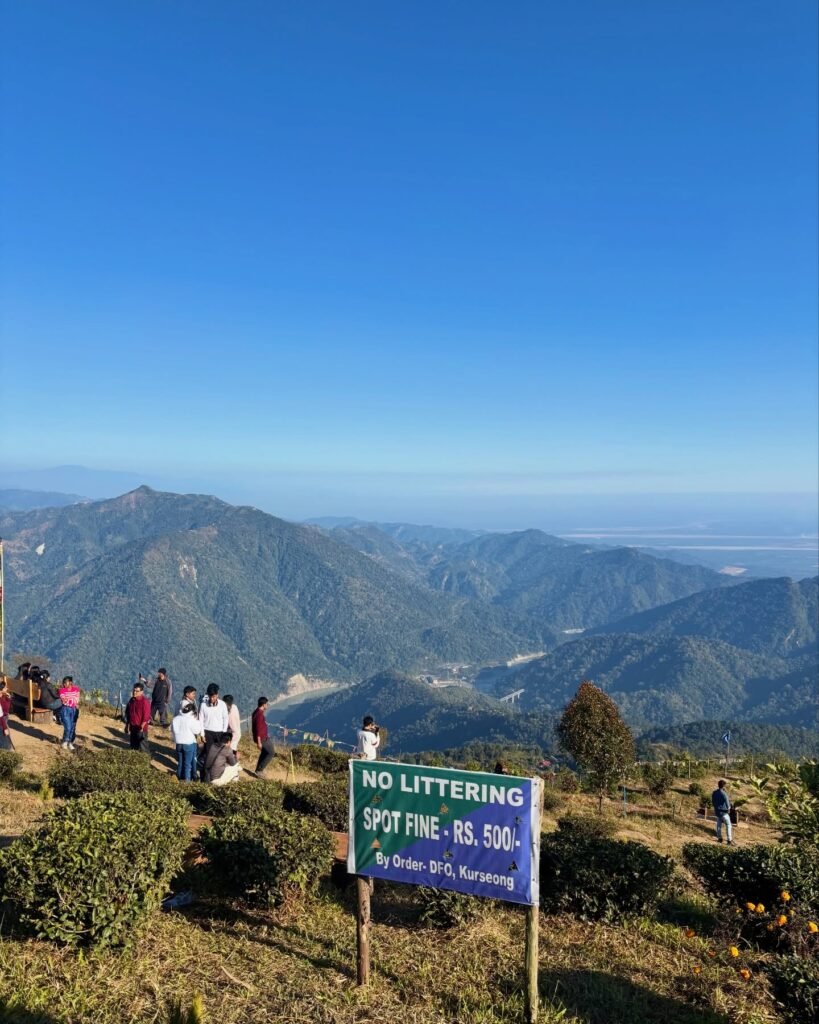
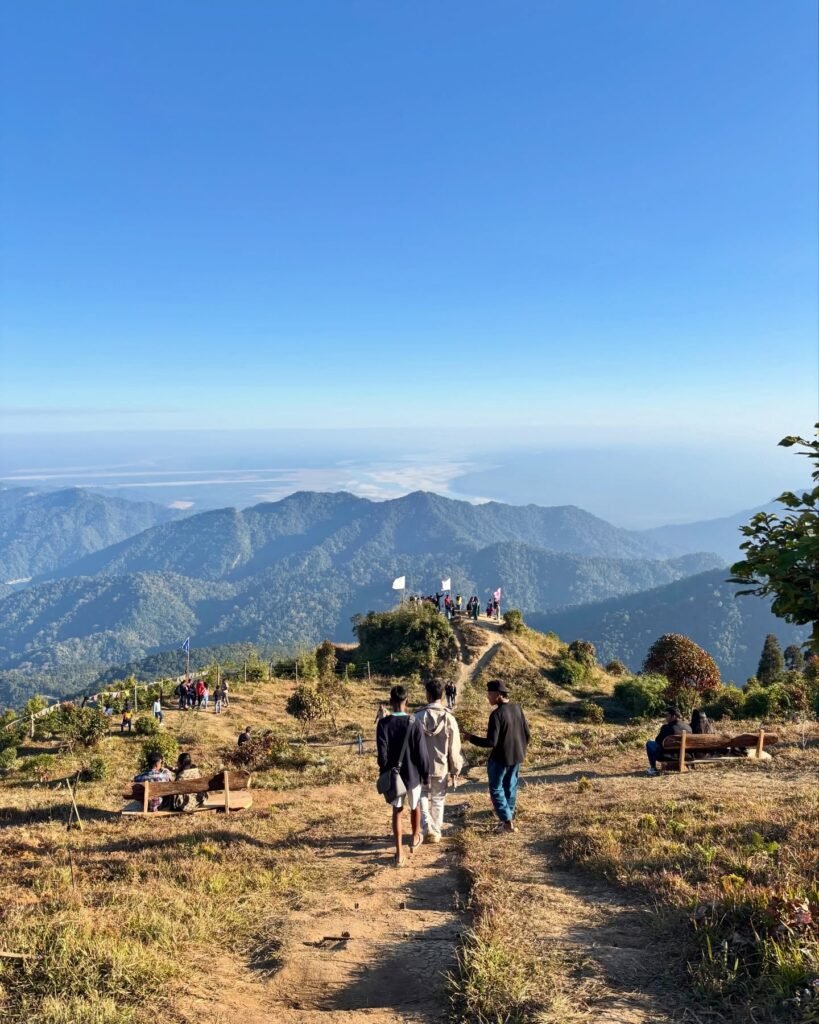
2. Ahaldara Viewpoint
Photos by @travel_siligurii (https://instagram.com/travel_siligurii)
This is the best viewpoint in Sittong and well worth an early start. Cars can go most of the way, and then it is a short uphill walk of about 150 metres. On a clear day you get a 360-degree panorama: Kanchenjunga in one direction, the Teesta river and plains below, and hills including Darjeeling, Kurseong, Takdah and Tinchuley in the distance. There is also a rock formation here that looks like the profile of Rabindranath Tagore, known as Tagore Rock. Walking up, you pass cinchona plantations and tea gardens.
3. Namthing Lake
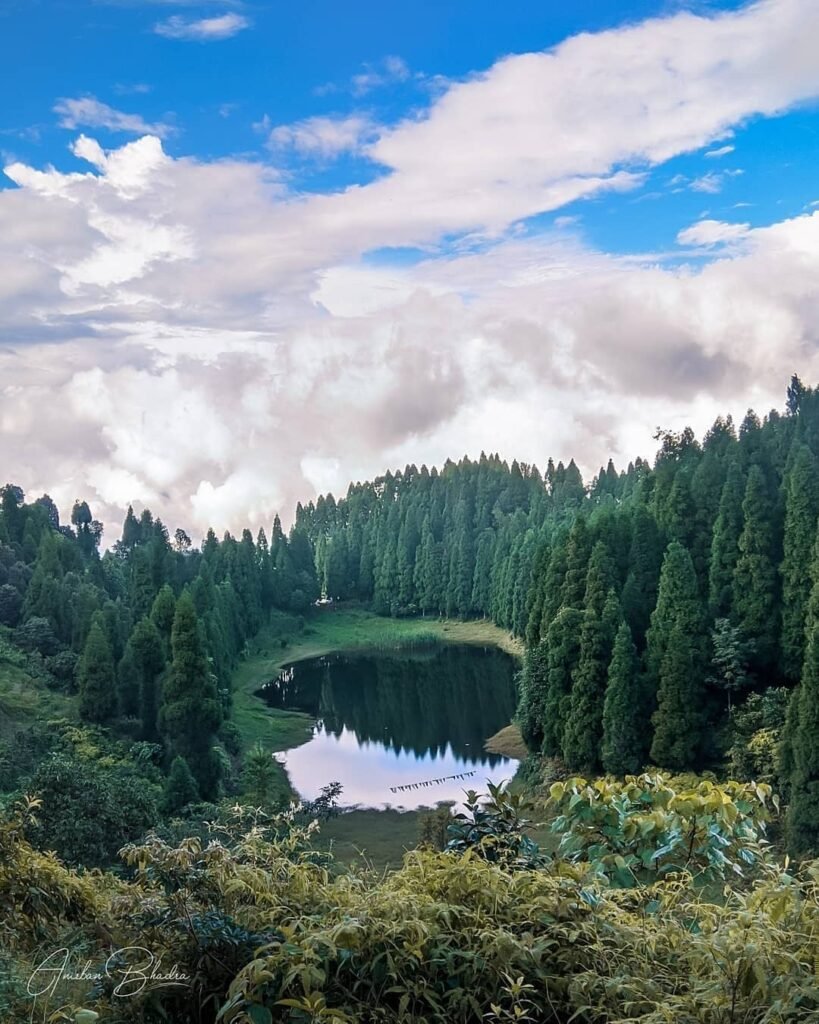
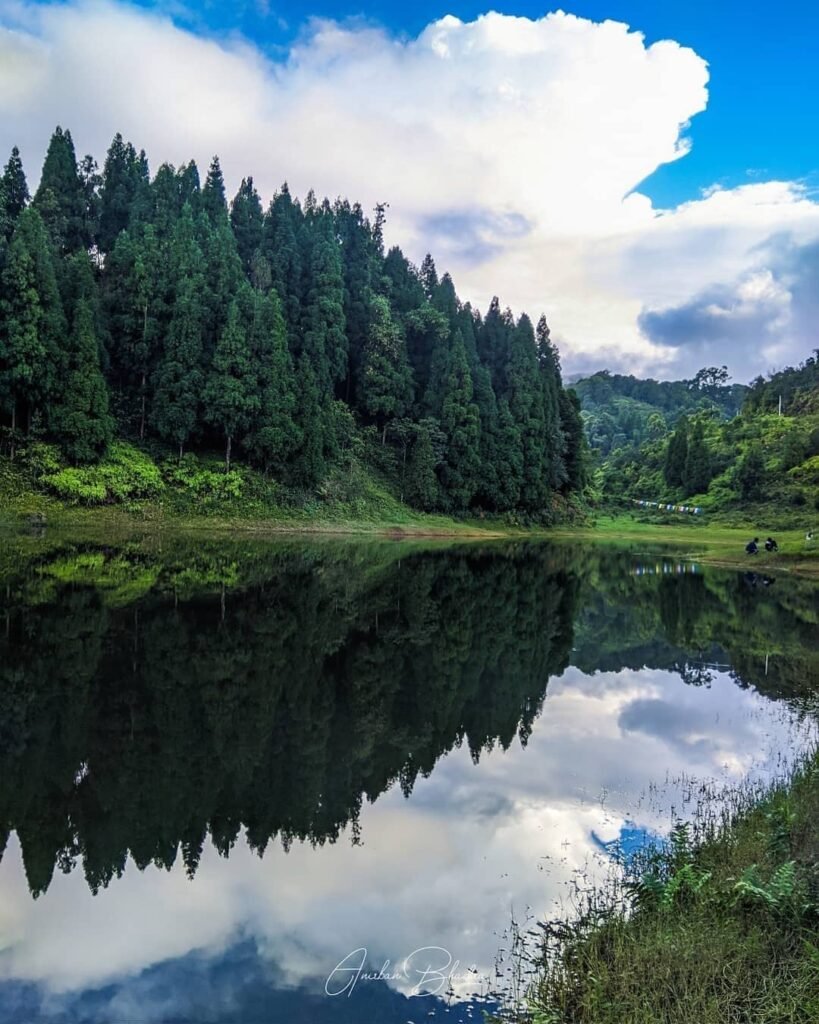
Photos by @insta_darjeeling (https://instagram.com/insta_darjeeling)
About a kilometre from the base of Ahaldara, this small lake is surrounded by pine trees, with a walking trail running through the forest beside it. Water levels depend on the season. It fills up during the monsoon and can be dry or almost dry at other times, so set your expectations accordingly.
4. Sittong Lepcha Monastery
In Upper Ghalaytar, near Tham, this old monastery is said to be over 350 years old and to have once been a Lepcha royal residence. It is built largely from mud and bamboo and looked after by a single lama, who can show you the prayer room and talk you through the artifacts inside. It is a modest place, and that is part of its charm.
5. Mahaldiram Tea Garden
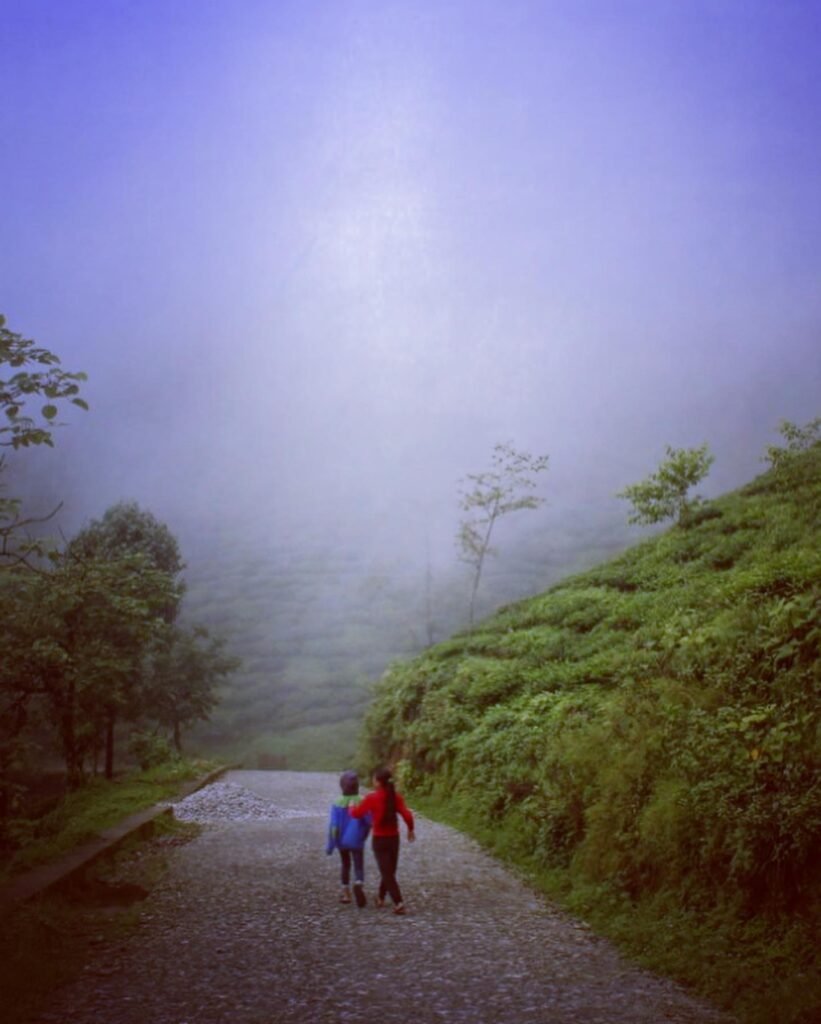
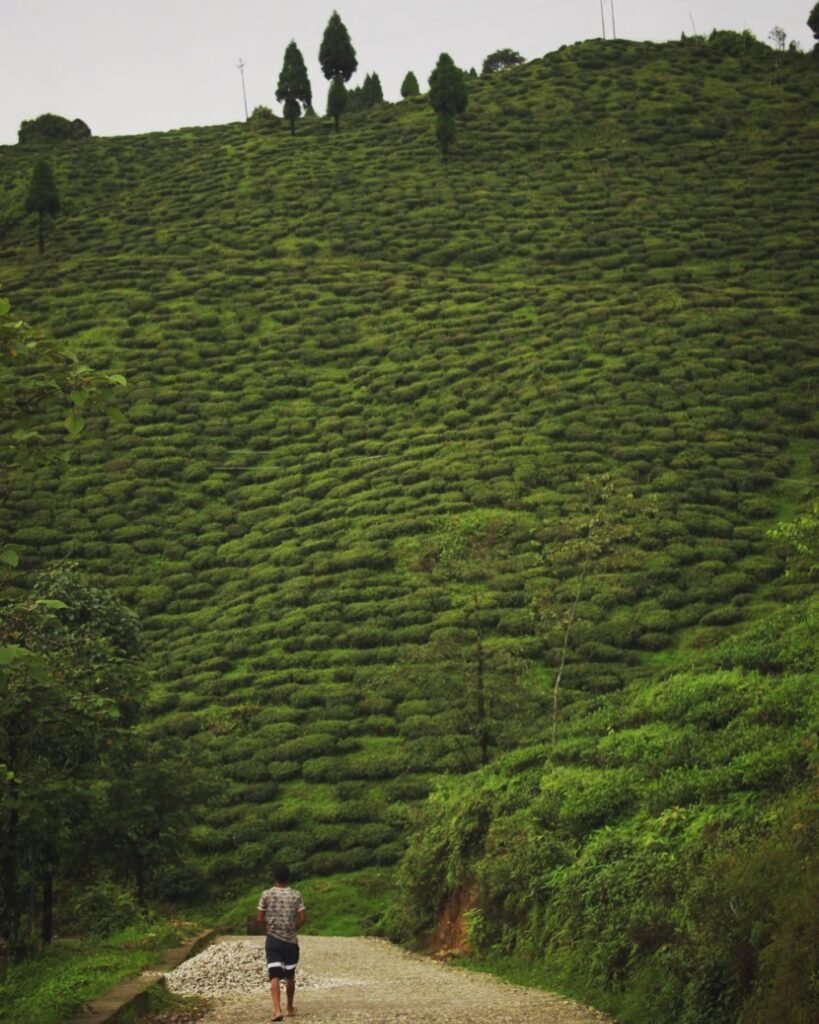
Photos by @_deyankit (https://instagram.com/_deyankit)
Mahaldiram has a large tea garden where you can walk between the bushes, take photos and, in the plucking season, watch workers at it. The leaves are processed at a factory elsewhere in the Kurseong area rather than on site.
6. Waterfalls
Several waterfalls flow strongly in the monsoon. Jogikhola Falls can be seen right from the road, while Lepcha Falls needs a 10 to 15 minute walk along a forest trail and ends at a pool at the base.
7. Jogighat Bridge and Riyang River
A rough forest road leads to Jogighat Bridge, a steel bridge opened in 2015 over the Riyang River. You can cross it, walk down to the water and sit on the rocks by the clear stream. The bridge also links Sittong to Mangpu.
8. Mangpu: cinchona and the Tagore connection
Across the bridge, Mangpu is known for its cinchona plantations and quinine production. The Rabindra Bhavan museum here is a house that Rabindranath Tagore visited several times between 1938 and 1940, and it displays furniture and writings connected to his stays.
9. Birdwatching and forest walks
The forests around Latpanchar and the edge of the Mahananda Wildlife Sanctuary are good for birdwatching and easy, low-altitude trekking. A homestay host can often arrange a local guide.
Planning tip: Distances between these places add up, so spread your sightseeing over two days instead of trying to see everything in one.
Sittong Homestay: Where to Stay
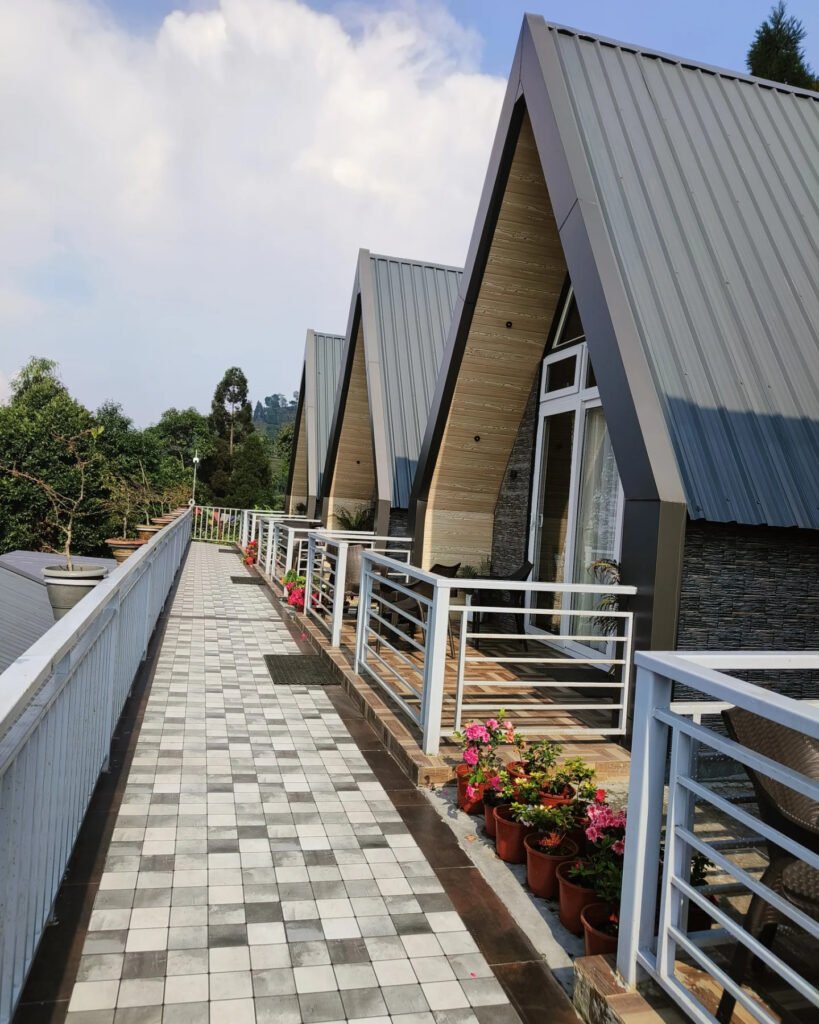
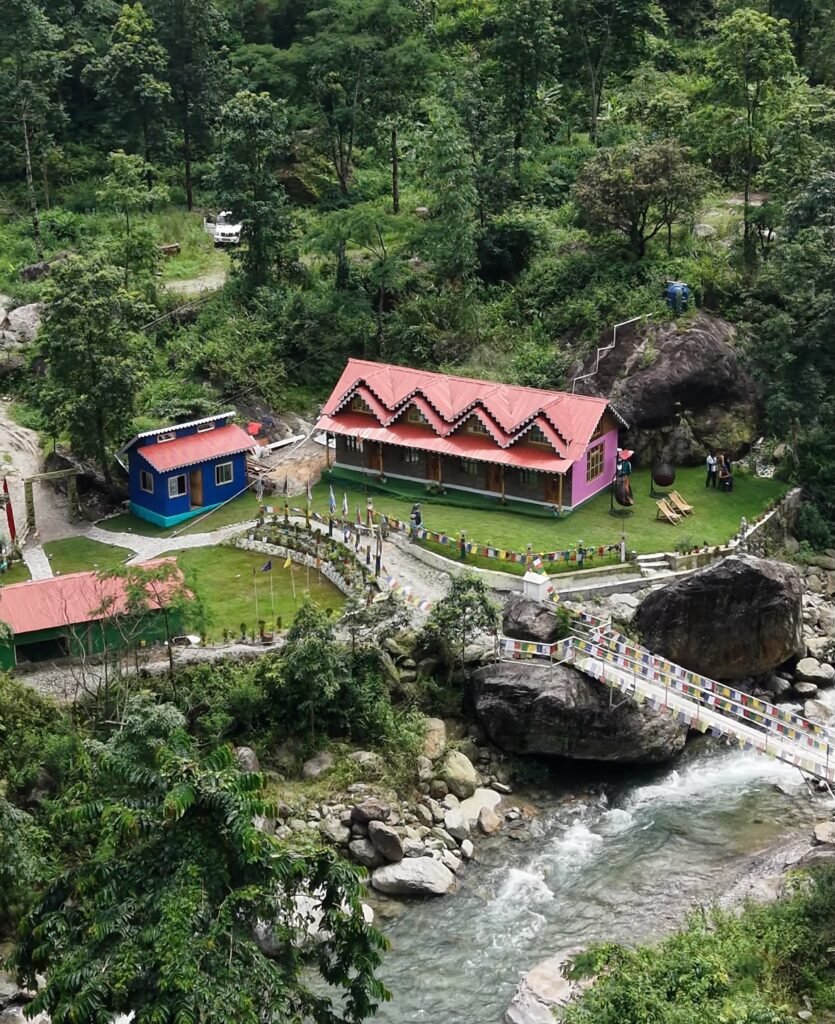
Photo by @roygopanjali (https://instagram.com/roygopanjali) & Photo by @goswamis817 (https://instagram.com/goswami817)
Sittong has no luxury resorts, and that is by design. What it offers instead is a good range of Sittong homestay options, from simple family-run rooms to cottages with modern bathrooms. Most operate on a per-person, per-day rate that covers the room and all meals, including morning tea, breakfast, lunch, evening snacks and dinner. Some will arrange a barbecue or bonfire for an extra charge.
Where you stay shapes your trip:
- For Kanchenjunga views: Stay in Upper Sittong, in villages like Ghalaytar or Panch Pokhri. Homestays here, such as Bisesh Homestay in Ghalaytar and Panch Pokhari Homestay in the Shelpu hills, are known for rooms and balconies that face the peaks.
- For tea garden views: Choose Mahaldiram. Places like Salamander Jungle Camp offer rooms overlooking the tea bushes, with mountain views from the other side.
- For sunrise at the viewpoint: A few cottage-style stays sit right on top of the Shelpu hills near Ahaldara.
- For birdwatching and forest: Stay in Latpanchar.
- For cinchona and the Tagore museum: Stay in Mangpu.
Note: Please confirm current availability, rates and facilities directly with any homestay before booking.
What to ask before booking a Sittong homestay
- Does the room have a direct view of Kanchenjunga, or is the view only from a shared balcony?
- Are hot water, a room heater and an attached bathroom included?
- Is a pickup from NJP, Bagdogra or Dilaram available, and at what price?
- Can they arrange a car for sightseeing, and what does a full day cost?
- Is the rate per person including meals, or per room?
If you are choosing between a single homestay for your whole trip or splitting your nights across two villages, a split stay works well in Sittong because the area is large and the scenery changes between villages.
Sittong Weather and Best Time to Visit
Sittong weather is mild and pleasant for much of the year, and you can visit in any season. At around 4,000 ft, it is warmer than Darjeeling town, though the higher villages like Mahaldiram feel noticeably cooler. What changes through the year is how clear the views are and what is in season.
- Spring (March to April): Clear skies and good Kanchenjunga views are common. This is one of the best times for sightseeing and photography.
- Early summer (May to June): The weather stays comfortable and the views are often still good before the rains arrive.
- Monsoon (late June to September): Expect clouds, rain and lush green hills. There are very few tourists, and the waterfalls are at their best, but roads can be affected by landslides and mountain views are often hidden.
- Autumn (October to November): The air is clear after the rains, which makes this another excellent season for views.
- Winter (November to January): Mornings and nights are cold, so bring warm clothing. This is also the orange season, when the orchards are at their best.
If you are choosing just one window, March, April, October or November will give you the best mix of comfortable weather and visibility. For oranges, go between November and January.
What to pack
A light jacket for most of the year, warm layers for winter evenings, a raincoat or umbrella if you travel between June and September, comfortable walking shoes for forest trails and viewpoints, and a torch for evenings in the villages.
A Simple 2-Night Sittong Itinerary
Day 1: Arrive and settle in. Reach Sittong by afternoon from NJP or Darjeeling. Check into your homestay, walk around the village and enjoy an early dinner.
Day 2: Viewpoints and orchards. Start early for sunrise at Ahaldara Viewpoint, then visit Namthing Lake. After lunch, visit an orange orchard (in season) and the Sittong Lepcha Monastery near Tham.
Day 3: Bridge and museum. Drive to Jogighat Bridge and sit by the Riyang River, continue to Mangpu for the cinchona plantation and the Rabindra Bhavan museum, then head back towards Darjeeling, Kalimpong or NJP.
If you have an extra night, add a tea garden walk in Mahaldiram or a birdwatching morning in Latpanchar.
Practical Tips for Visiting Sittong
- Book transport in advance. Taxis are not easy to find on the spot, especially for the last stretch of road.
- Carry cash. There is little shopping or dining infrastructure, and card payments may not work at homestays.
- Expect limited choices. There are no malls, large restaurants or nightlife, so meals usually come from your homestay.
- Check road conditions. After heavy rain, ask your host about landslides, especially on the Sevoke Road routes.
- Start sightseeing early. Mornings usually have the clearest mountain views, and mist often rolls in later.
- Allow enough time. Sittong is spread out, so two or three nights is much better than a rushed day trip.
- Check mobile coverage. Network signal can be patchy in the hills, so confirm with your host and tell people at home to expect gaps.
Frequently Asked Questions About Sittong
How far is Sittong from Darjeeling?
Sittong is about 35 km from Darjeeling, and the drive takes roughly 1 hour 45 minutes by car via the Hill Cart Road and Bagora Road. The alternative route through Peshok Road and Mangpu is about 40 km and takes around 2 hours 10 minutes.
What is the Sittong to NJP distance?
The Sittong to NJP distance is about 64 km by the usual route via Kurseong and Dilaram, taking around 2 hours 40 minutes. Shorter routes via the Sevoke Road exist, but their roads are often in poor shape.
What is the Sittong to Siliguri distance?
Since NJP station is in Siliguri, the Sittong to Siliguri distance is similar: around 60 to 65 km, or roughly 2.5 to 3 hours by road, depending on the route and traffic.
What is the best time to visit Sittong?
March to June and October to November are best for clear weather and Kanchenjunga views. Visit between November and January to see the orange orchards. The monsoon is quieter and greener but can disrupt roads and hide the views.
Are there hotels in Sittong, or only homestays?
Sittong has mainly homestays, and these are usually comfortable and budget-friendly, with meals often included. Luxury hotels and resorts are not part of the Sittong experience.
How many days are enough for Sittong?
Two to three nights is a good minimum. Sittong is spread over several villages, so a day trip will only cover a fraction of what is worth seeing.
Can I reach Sittong by shared taxi?
There is no shared taxi from NJP or Siliguri all the way to Sittong. The usual approach is to take a shared Darjeeling-bound jeep to Dilaram and hire a local car from there, or to book a private car for the whole journey.
Plan the Rest of Your Trip
Sittong pairs well with other offbeat spots in the Darjeeling hills. Consider adding Lamahatta, Tinchuley or Takdah to your itinerary, all of which are good for a quiet mountain break. Read our guide to Lamahatta on darjeelingtrip.com for more ideas.
