Mirik: A Complete Travel Guide (Places to Visit, Distances, Homestays and Weather)
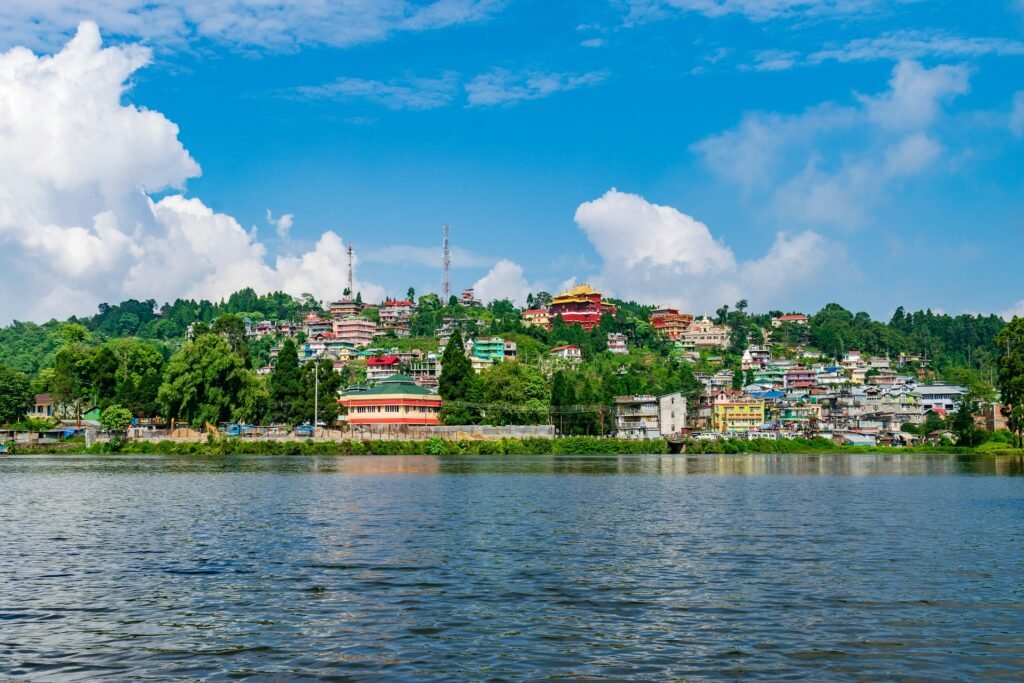
Mirik is a small hill town built around a lake, surrounded by tea estates and pine-covered slopes, and it sits almost exactly halfway between the plains and Darjeeling. It has a lake you can walk around in under an hour, a hilltop monastery, orange orchards, tea gardens and mornings when clouds drift straight through open windows. It is also milder and quieter than Darjeeling, which is a large part of its appeal.
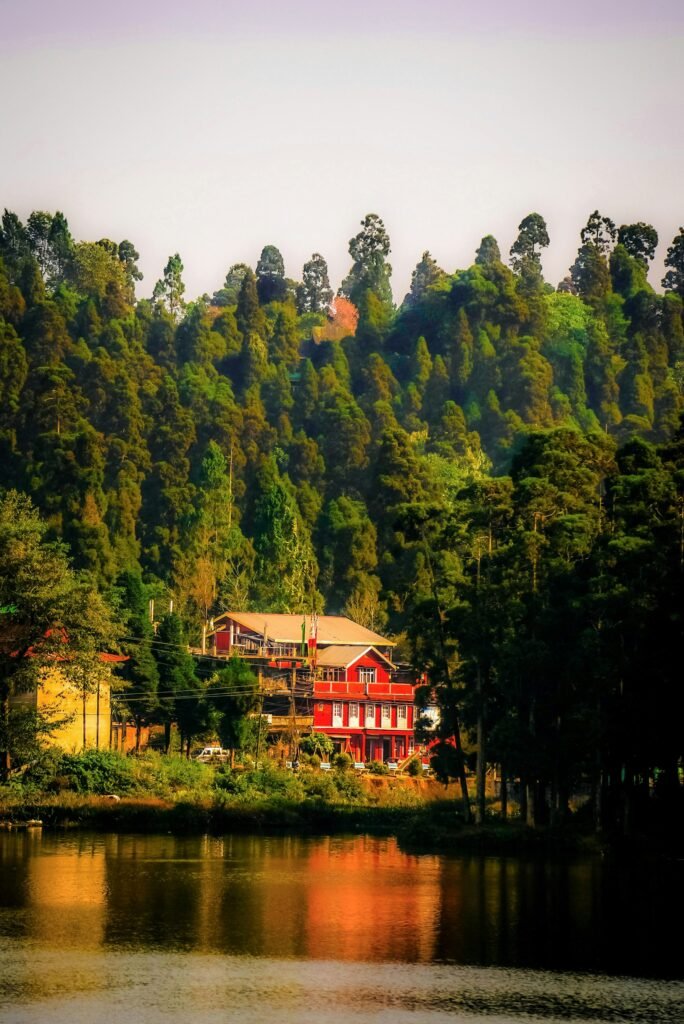
This complete guide to Mirik covers the Mirik to Siliguri distance, the Mirik to NJP distance, the Mirik to Darjeeling distance, the best places to visit in Mirik, Mirik sightseeing, where to find a Mirik homestay, and what Mirik weather is like through the year.
Mirik at a Glance
| Detail | Information |
|---|---|
| Location | Kurseong subdivision, Darjeeling district, West Bengal |
| Altitude | About 5,000 ft on average; the highest point, near Bokar Monastery, is about 5,800 ft |
| Distance from Siliguri | About 52 km (around 1.5 hours) |
| Distance from NJP | About 55 to 57 km (around 1.5 hours) |
| Distance from Bagdogra Airport | About 47 to 55 km (around 1.5 hours) |
| Distance from Darjeeling | About 49 km by the commonly quoted road distance (around 2 to 2.5 hours) |
| Main attraction | Sumendu Lake |
| Best time to visit | Mid-March to May and mid-September to December |
| Ideal stay | 1 to 2 nights |
Why Visit Mirik?
There are a few good reasons to put Mirik on your itinerary.
It breaks the journey. The road from the plains to Mirik is the alternative route to Darjeeling, and Mirik is about halfway along it. The road is gentler and much more scenic than the main Hill Cart Road, with tea gardens, orange orchards and forest on the way. It does add about an hour to the trip to Darjeeling, so it works best if you plan to stop.
The weather is mild. At about 5,000 ft, Mirik is lower than Darjeeling and never gets as cold. That makes it a comfortable choice in months when Darjeeling can be chilly or crowded.
It is quiet. Mirik is a laid-back hill station with a few activities, a handful of viewpoints and not much of a crowd outside peak season. If you want a slower couple of days, it delivers.
A Short History of Mirik
Mirik’s tourism story is fairly recent. In 1974 the state tourism department acquired around 335 acres of land from the neighboring Thurbo tea estate and started developing it as a tourist destination. The lake, which is fed by rain and spring water, was left as the centrepiece. The open ground on its eastern bank is said to have been a polo field in the colonial era, and it is now a garden park with flower beds. Hotels and restaurants gradually grew up around the southern end of the lake, mostly in the Krishnanagar area, and the old bazaar remains the working heart of the town.
Mirik to Siliguri Distance
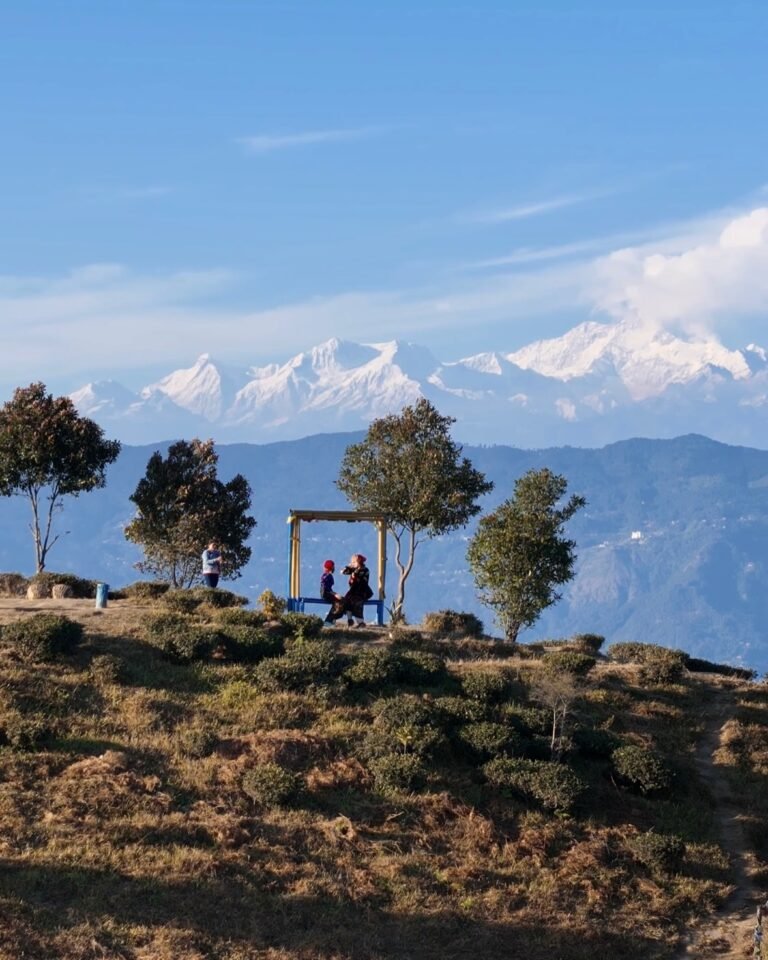
The Mirik to Siliguri distance is about 52 km, and the drive takes around 1.5 hours. The road climbs steadily from the plains through tea estates and small villages, and there is a tea garden viewpoint at Tingling (sometimes spelled Sourene) about 8 km before Mirik that is worth a stop for photographs.
Shared jeeps and a few buses run between Siliguri and Mirik, but shared vehicles generally operate in the daytime, usually from early morning until around 3 pm. If you are arriving late in the afternoon, a private taxi is the safer choice.
Mirik to NJP Distance
The Mirik to NJP distance is about 55 to 57 km, again around 1.5 hours by road. New Jalpaiguri (NJP) is the nearest major railway station, and Bagdogra Airport is also around 47 to 55 km from Mirik, depending on the route and source you check.
Getting to Mirik from NJP, Siliguri or Bagdogra
- Private taxi: Cars are available from the prepaid stand outside NJP, from Siliguri taxi stands and from outside Bagdogra Airport. Prepaid booths at the airport are not always staffed or available, so be prepared to walk out and find a driver, or arrange a pickup through your hotel or a Siliguri operator.
- Shared jeep: Cheaper, and common between NJP/Siliguri and Mirik. Luggage usually goes on the roof, and services thin out in the afternoon.
- Bus: A few buses run from Siliguri and Darjeeling, but they are infrequent.
Fares change with season and demand. As a rough guide from a few years ago, a small private car from NJP cost somewhere in the region of Rs. 2,500 to 2,800 and a shared jeep seat Rs. 150 to 200, with peak season rates higher. Please check current prices locally before you travel.
Mirik to Darjeeling Distance
The Mirik to Darjeeling distance is usually quoted at about 49 km, although some sources give shorter figures of 39 to 45 km. Drive time is about 2 to 2.5 hours, since the road is winding and passes through tea country and small villages.
Shared jeeps run between the two from Darjeeling’s Chowk Bazaar stand to Mirik’s Krishnanagar stand (near the lake southern end) and Mirik Market, usually between early morning and mid-afternoon. Private taxis are available from all stands in Darjeeling.
If you are travelling from Siliguri via Mirik to Darjeeling with a stop, plan for about 4.5 hours in total including a break. Because that route is slower than the main road, do not start it late in the day, or you will end up driving the final stretch in the dark.
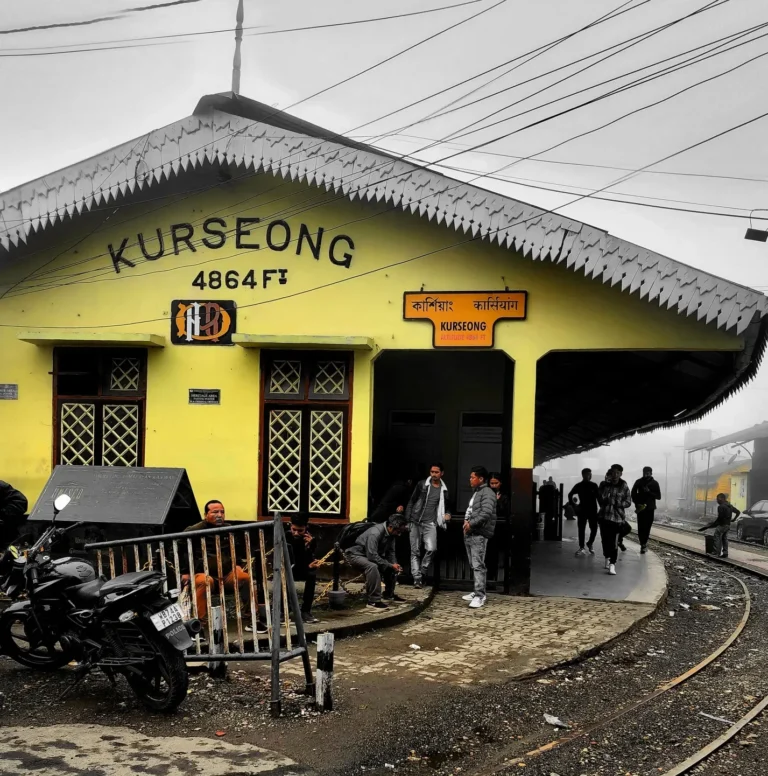
One practical detail: Mirik is on a different route from Kurseong, and there is no direct transport between them. To go between the two, you either go via Ghum or take a private taxi.
Places to Visit in Mirik: Top Sightseeing Spots
Here are the main places to visit in Mirik, starting with the lake and moving outwards.
1. Sumendu Lake (Mirik Lake)
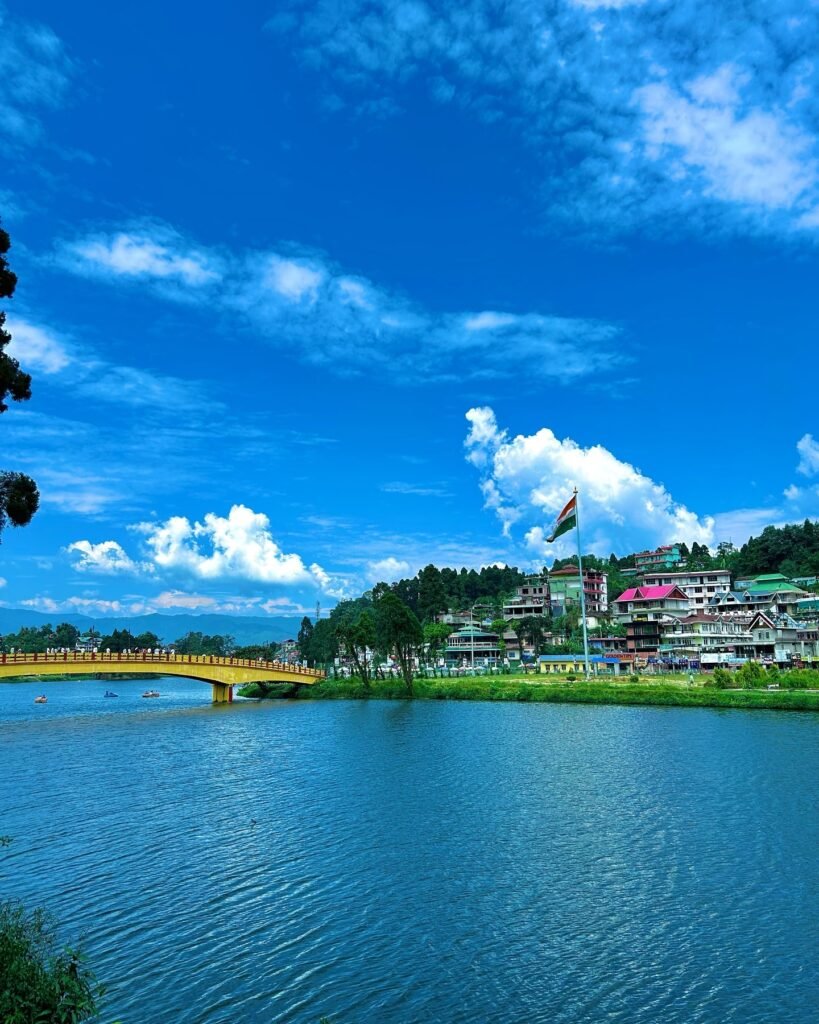
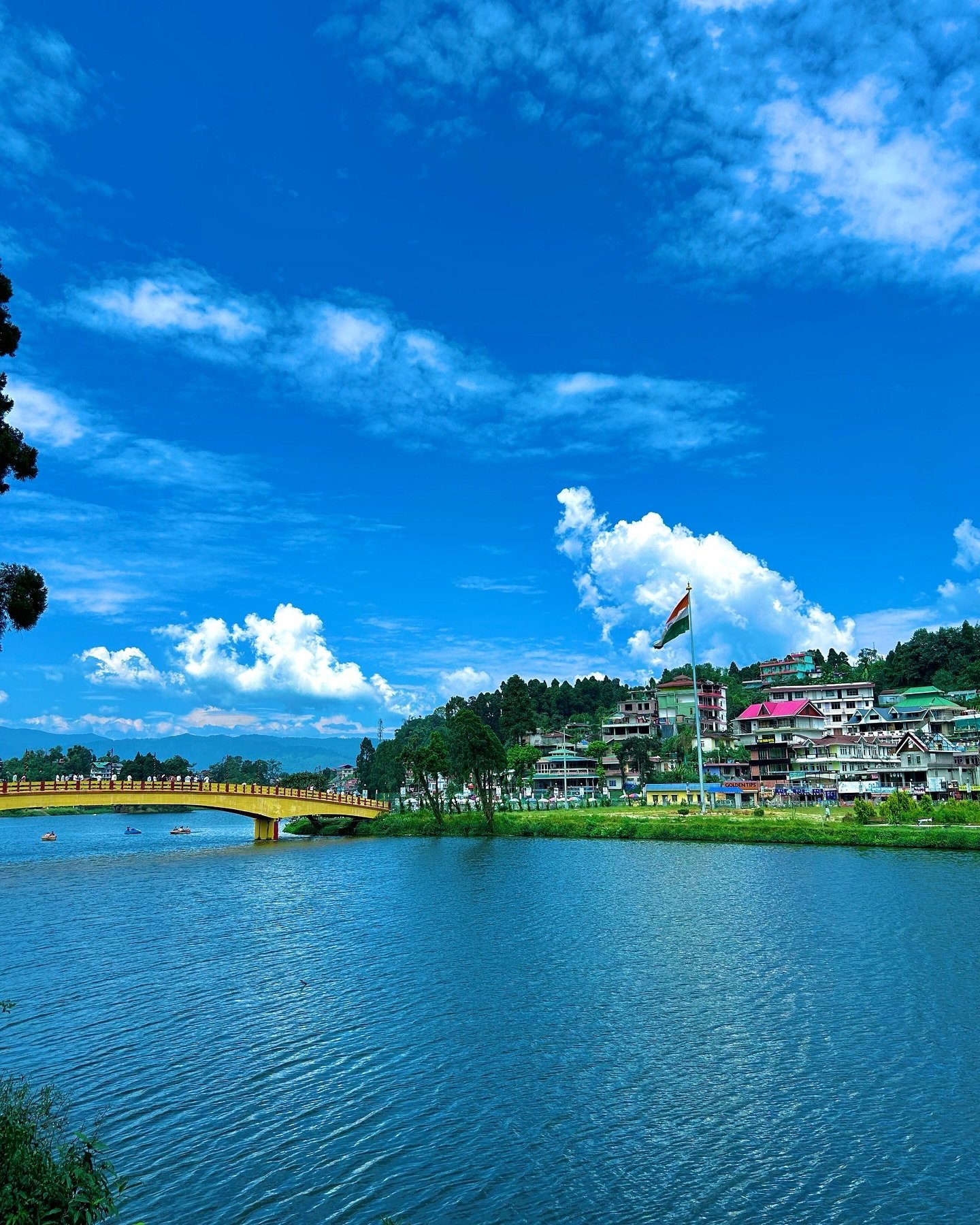
The lake is about 1.25 km long and the focus of the town. Its western bank is lined with dhupi (Japanese cedar) trees, while the eastern bank is a landscaped park with flower beds. There is a footpath all the way around, and activities include boating, horse or pony rides and fish feeding. A walk around the lake takes under an hour at a relaxed pace, and mornings and evenings are the best times to go.
2. Bokar Monastery
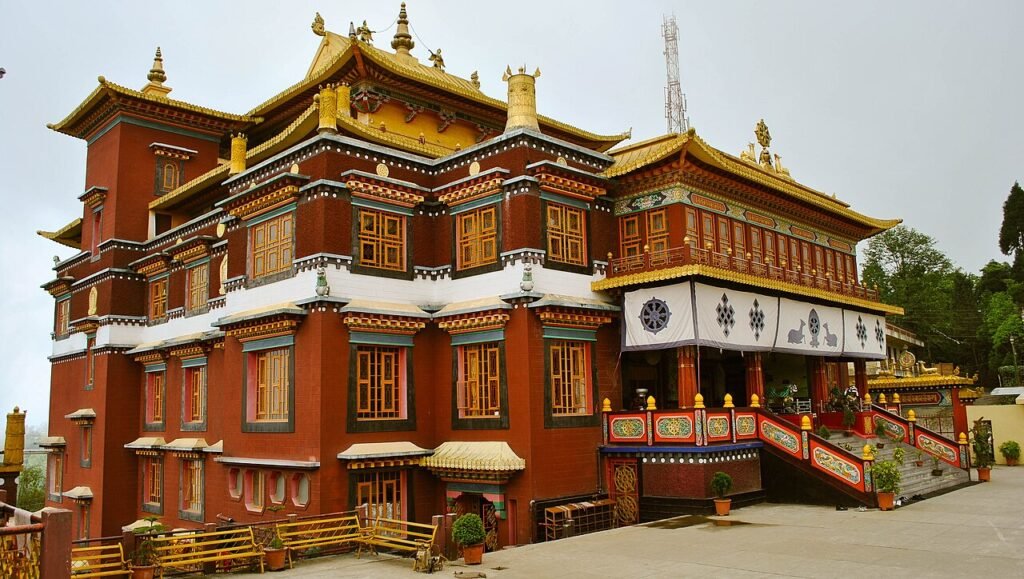
The monastery sits on the highest point near Mirik, at around 5,800 ft. It is a quiet, spiritual place with a view over the surrounding hills. Dress modestly and ask before taking photographs inside.
3. Mirik Monastery
A second monastery lies uphill from the town, reached by a walk of roughly 25 to 30 minutes. Allow enough time to go and return before dark, and if you are using a shared jeep to leave town, remember that departures stop in mid-afternoon.
4. Tea estates
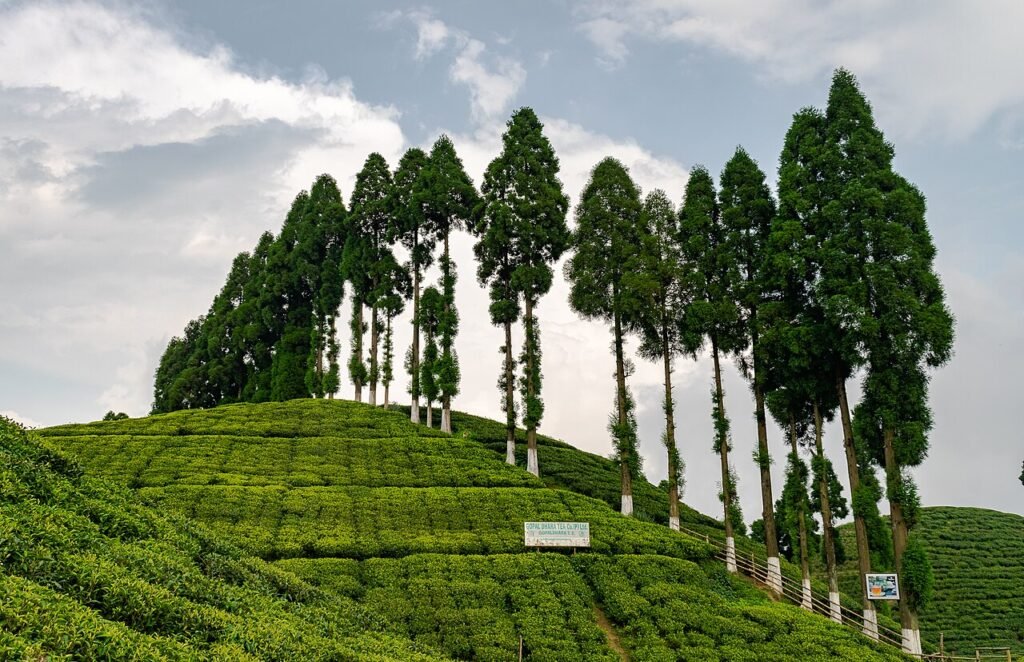
Mirik is surrounded by tea estates, including Thurbo and Gopaldhara, and you can walk through the bushes and watch plucking in season. Tea can be bought directly from estates and shops in town.
5. Orange orchards and Mirik Basti
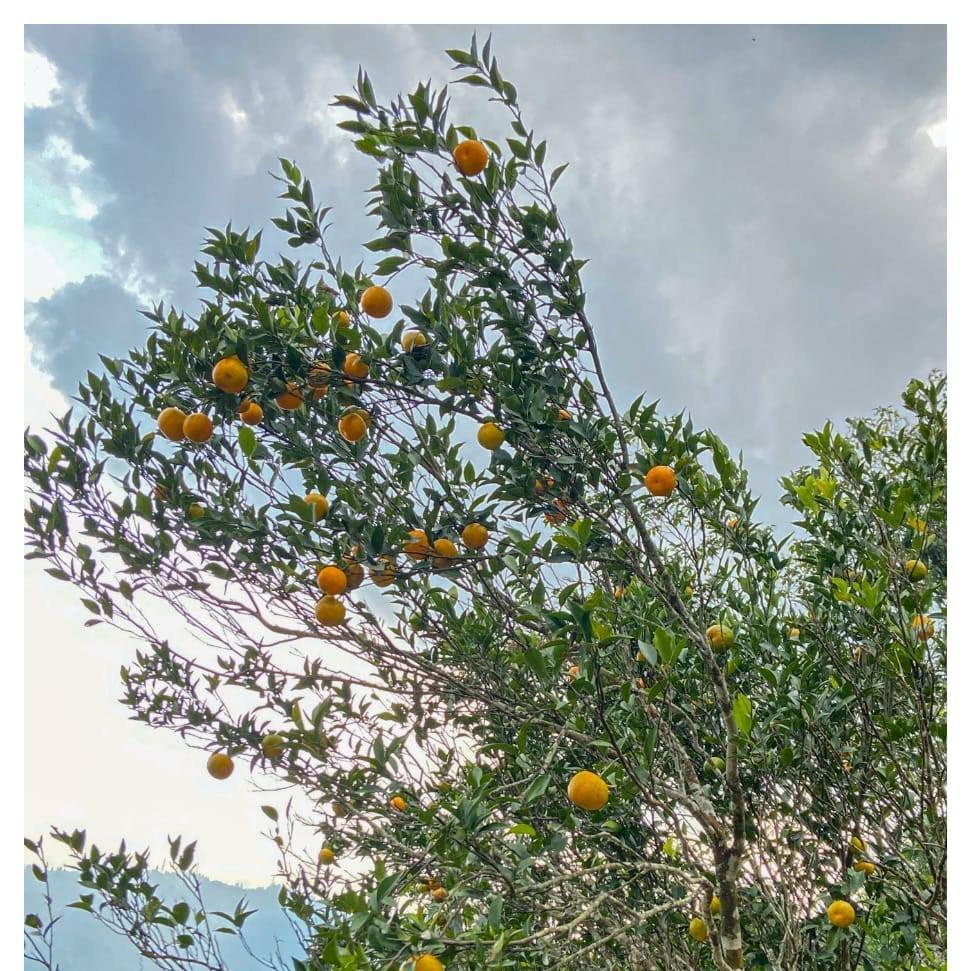
A walking track of about 2 km through Mirik Basti leads to the orange valley, where orchards fill the slopes. The fruit season is in winter, and the walk is pleasant at any time of year.
6. Tabakoshi
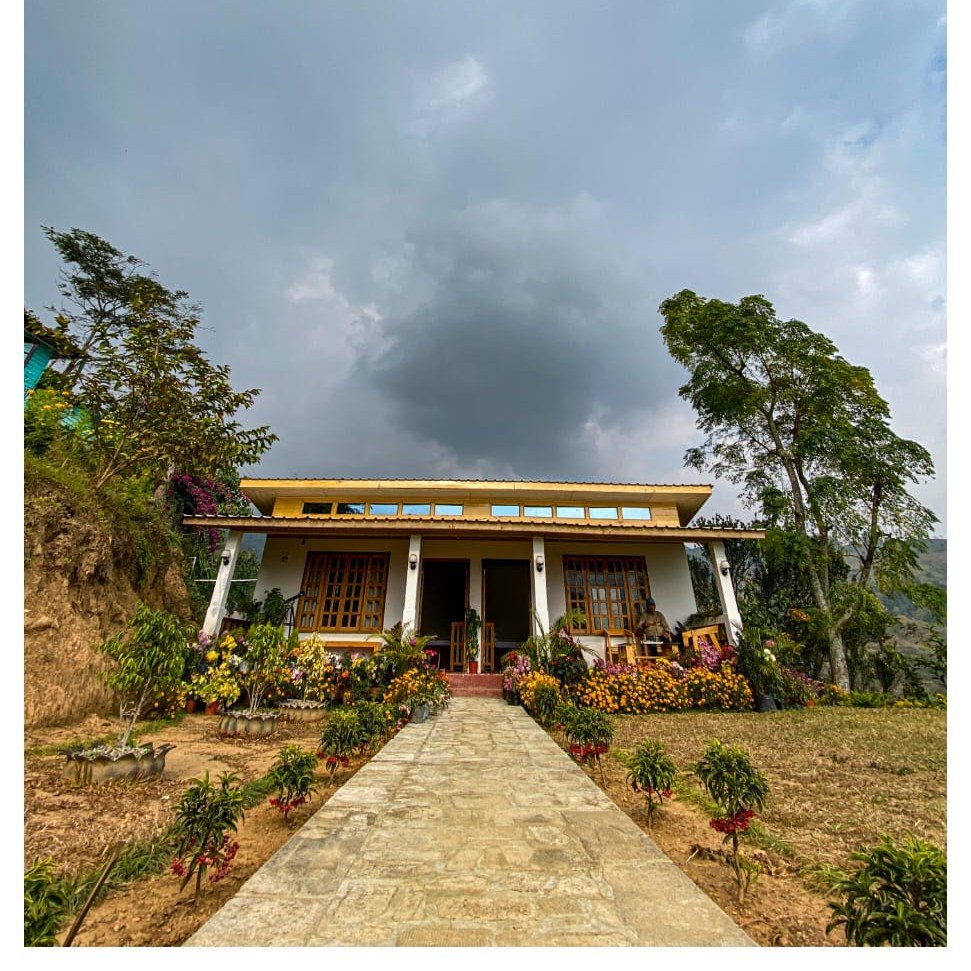
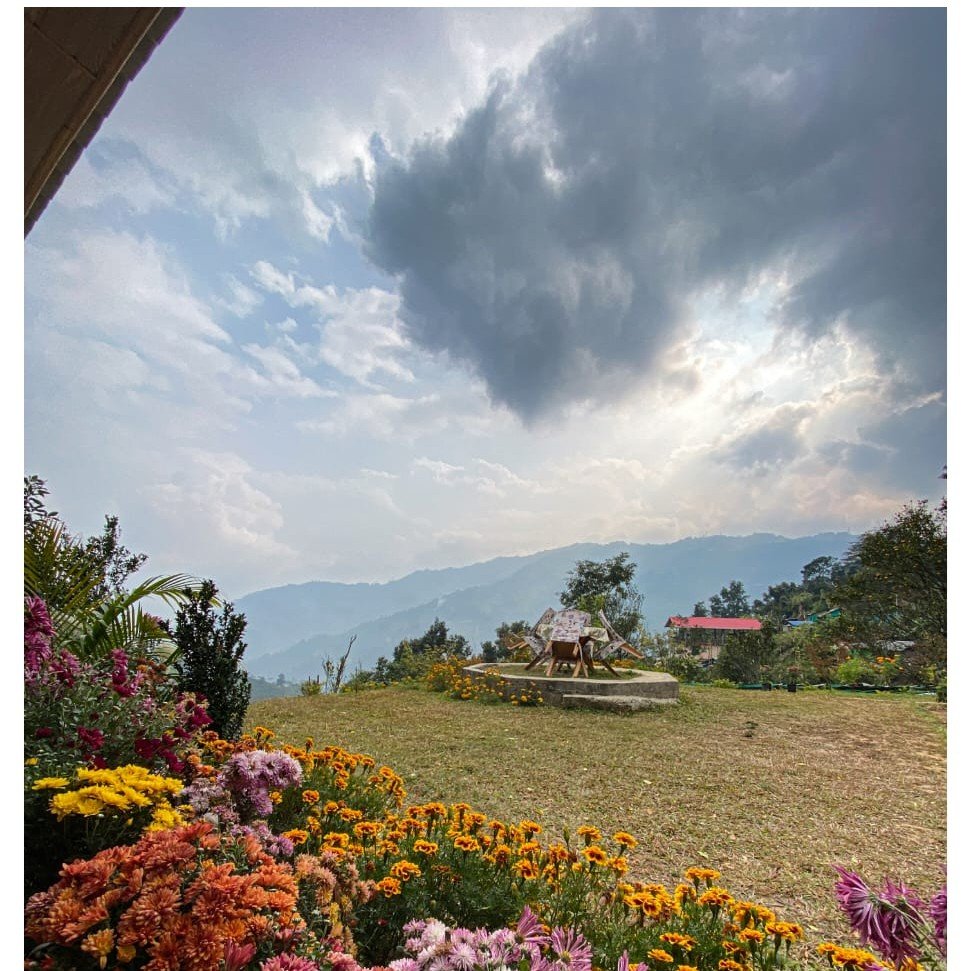
(Photo by – https://www.instagram.com/anirban.roy.9693001/)
About 5 km (roughly 20 minutes by car) from Mirik Bazaar, Tabakoshi is a small tea village in a valley with the Rangbhang river flowing through it. You can walk through the tea gardens and listen to birdsong, and the village has homestays for those who want to stay longer.
7. Temples, church and flower gardens
Mirik has several Hindu temples and a large Catholic church near Don Bosco School. There are also orchid and flower gardens in the area, including a Cymbidium orchid garden.
8. Mirik Bazaar and Floating Market
The market is the main shopping area, with clothes, curios, bags and souvenirs. Krishnanagar has smaller shops selling pottery, woolens and packaged Darjeeling tea. A floating market near the lake, opened in 2018 and remodelled in 2020, sells handicrafts.
Mirik Sightseeing: A Day Plan and Nearby Trips
For Mirik sightseeing, you can see most of the town in a day. A sensible order is:
- Start at the tea garden viewpoint on the way in, if you are coming from Siliguri.
- Walk around Sumendu Lake while it is quiet, and enjoy a boat ride or pony ride if you have children.
- Have lunch in Krishnanagar or the bazaar.
- Walk up to Mirik Monastery in the afternoon, or visit Bokar Monastery if you have a vehicle.
- End the day at a viewpoint for sunset, or with a stroll in the lakeside park.
If you have more time, add Tabakoshi for a village and tea garden day, or the Pashupati and Simana border-market area for a different kind of outing. Because Mirik is small, it is also easy to combine with Darjeeling or Kalimpong in a longer trip.
Mirik Homestay and Other Places to Stay
Mirik has hotels in several categories, from budget lodges to hilltop cottages, and the number of options for a Mirik homestay is growing, particularly in villages around the town. A homestay is usually the best choice if you want home-cooked food and a quieter setting than the main lake area.
Where to stay
- Krishnanagar (southern end of the lake): The most convenient area, with most hotels, restaurants, shops and the shared-jeep stand. It is the best choice for first-time visitors and for those without their own transport.
- Mirik Bazaar: Close to the market and local life, but congested.
- Mirik Basti and Thana line: Quieter residential areas a little away from the lake.
- Hilltop cottages: A few properties, including a group of Swiss-style cottages on a hill about 2 km from the lake, offer more privacy and views.
- Village homestays (Tabakoshi and surroundings): The best option if you want tea garden walks, birdsong and village life.
What to ask before booking a Mirik homestay
- Is the homestay close to the lake, or do you need transport?
- Are hot water, a room heater (in winter) and an attached bathroom included?
- Are meals included, and what is on offer?
- Is pickup available from NJP, Bagdogra or Siliguri, and at what price?
- Is the approach road suitable for a small car, especially in the monsoon?
As Mirik is small, one or two nights is usually enough. If you want a quieter experience, spend your first night near the lake and the second at a village homestay.
Mirik Weather and Best Time to Visit
Mirik weather is gentle for most of the year, and it is one of the main reasons people choose it over higher hill stations. Temperatures reach about 30°C at the warmest in summer and fall to around 2°C in the coldest winter nights. Winter daytime highs are around 13°C, so days stay comfortably cool even then. Mist and low cloud are also common, and a typical Mirik experience is watching a cloud drift into your room through an open window.
Here is what to expect by season:
- Spring and early summer (mid-March to May): One of the best windows. Days are warm without being hot, evenings are cool, and the views are generally good. You will not need heavy woolens during the day, though a light sweater helps in the evening.
- Monsoon (June to mid-September): Rain, mist and very green hills. Mirik is quiet then, but views are often hidden and roads can be affected by landslides.
- Autumn (mid-September to October): The air clears and the weather is excellent. October is the real rush period, so book ahead.
- Winter (November to February): It gets cold from November onwards, and you will want woolens even in the daytime. By December, peak winter sets in, with heavy woolens needed in the evenings.
For most travelers, mid-March to May and mid-September to December are the best times to visit.
What to pack
Light woolens for summer evenings, heavy woolens for winter, a raincoat or umbrella for the monsoon, comfortable shoes for lake walks and monastery climbs, and a camera for the mist and tea garden views.
A Simple 2-Night Mirik Itinerary
Day 1: Travel and lake. Arrive from NJP, Siliguri or Bagdogra by afternoon. Check in, walk around Sumendu Lake and have an early dinner.
Day 2: Monasteries and tea gardens. After breakfast, visit Bokar Monastery and Mirik Monastery, then walk through Mirik Basti towards the orange valley or spend time in a tea estate. Evening at the bazaar or the floating market.
Day 3: Village morning and onward. Spend the morning in Tabakoshi or at a viewpoint, then continue to Darjeeling or return to NJP, leaving by early afternoon if you are relying on shared jeeps.
Practical Tips for Visiting Mirik
- Start early and aim to travel in daylight. The route beyond Mirik to Darjeeling is long, and dusk falls early in the hills.
- Do not rely on shared jeeps late in the day. Most stop running by mid-afternoon.
- Carry cash. There are ATMs in the Krishnanagar area, but carry cash for village stays and smaller shops.
- Check road conditions in the monsoon. Landslides can disrupt routes, so confirm with your hotel.
- Plan the Kurseong connection carefully. There is no direct transport between Kurseong and Mirik.
- Keep a layer handy. Mirik can be cool and misty even in the warmer months, especially in the evening.
Frequently Asked Questions About Mirik
What is the Mirik to Siliguri distance?
The Mirik to Siliguri distance is about 52 km, and the drive takes around 1.5 hours.
What is the Mirik to NJP distance?
The distance from Mirik to NJP is about 55 to 57 km, usually around 1.5 hours by road.
What is the Mirik to Darjeeling distance?
The Mirik to Darjeeling distance is commonly quoted as about 49 km, and the drive takes around 2 to 2.5 hours because of the winding road.
What are the best places to visit in Mirik?
The top places to visit in Mirik are Sumendu Lake, Bokar Monastery, Mirik Monastery, the tea estates, the orange orchards near Mirik Basti, the floating market and the village of Tabakoshi.
What is the best time to visit Mirik?
Mid-March to May and mid-September to December are the best times. The monsoon is green and quiet but can bring rain, mist and landslides, and winter is cold.
How many days do you need in Mirik?
One or two nights is enough to see the town. Add another night if you want to stay in Tabakoshi or relax in a tea estate.
Is Mirik better than Darjeeling?
They offer different experiences. Mirik is quieter, milder and less crowded, with a lake and tea gardens, while Darjeeling has the toy train, the Mall and more famous sights. Many travelers combine both.
Can I find a homestay in Mirik?
Yes. Homestays are available in and around the town, particularly in villages like Tabakoshi. Check facilities, meals and pickup arrangements before booking.
Plan the Rest of Your Trip
Mirik fits easily into a wider Darjeeling hills route. From here you can continue to Darjeeling, or build a longer journey that includes Kurseong, Kalimpong, Sittong, Tinchuley or Takdah. Read our other guides on darjeelingtrip.com to put together a trip that suits your time and budget.
Have you been to Mirik recently? Share your favorite viewpoint, homestay or road tip in the comments, and we will keep this guide up to date.