Kurseong – A Complete Guide: Weather, Distances, Dow Hill, Chimney, Hotels and More
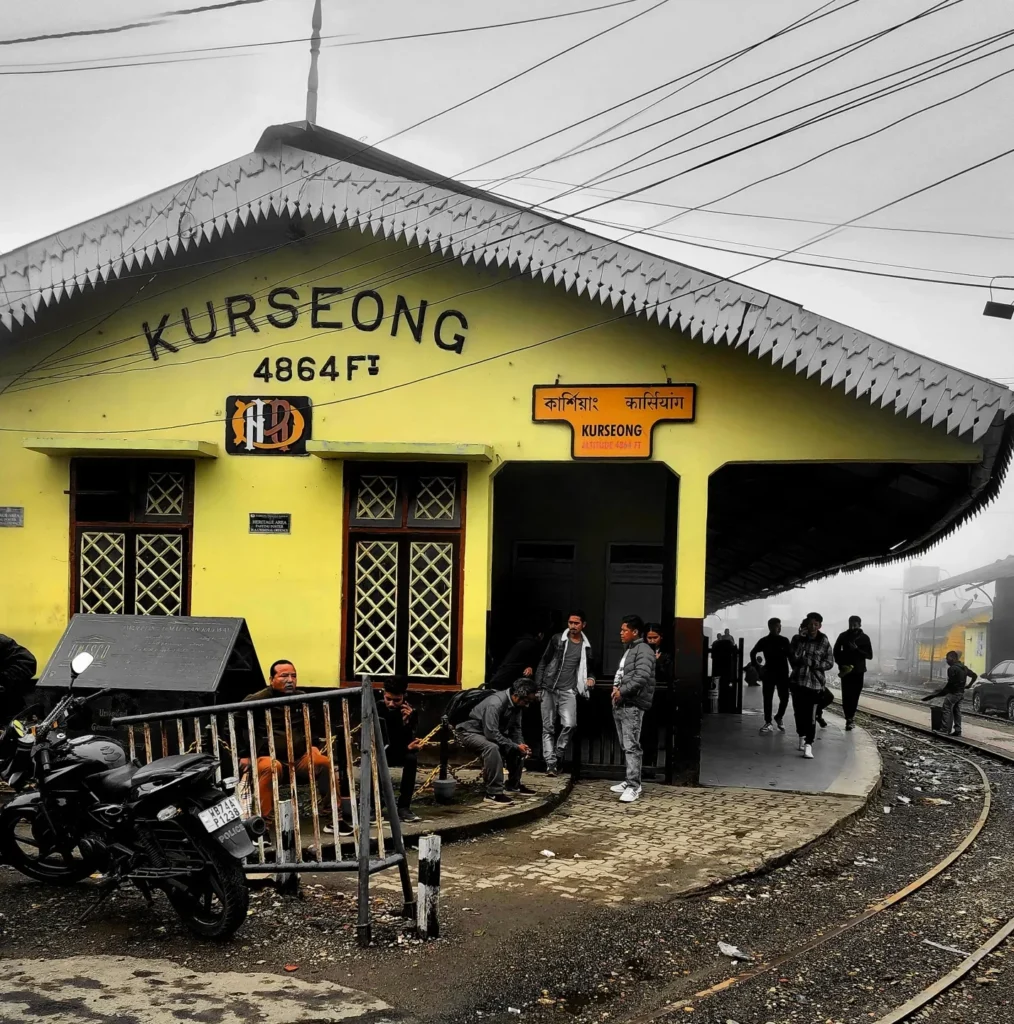
Image by https://www.instagram.com/indiantouristblog/
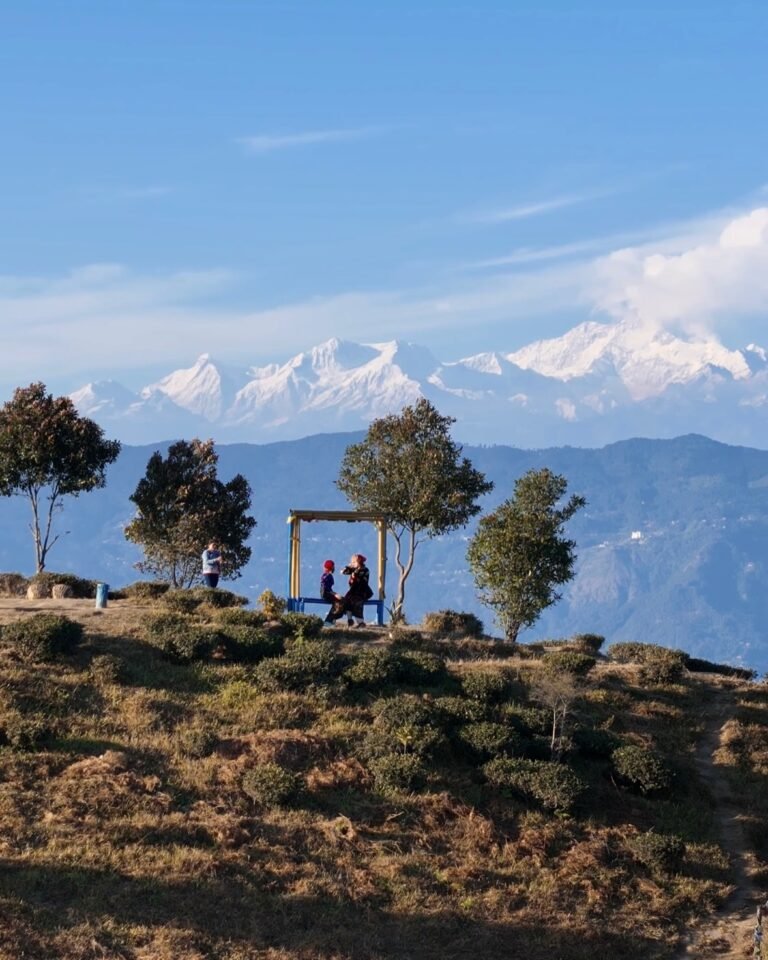
Tucked between the plains of Siliguri and the busy streets of Darjeeling, Kurseong is the quiet middle child of the Darjeeling Hills. Most travellers rush straight past it, heading for the bigger names, and that is exactly why Kurseong is worth your time. It has cooler air than the plains, tea gardens that roll down the slopes like green carpets, pine and cryptomeria forests, a toy train that still rattles through the main road, and a slower pace that the larger hill stations lost long ago.
The name itself is believed to come from the Lepcha word Kurson-rip, which refers to a small white orchid that grows in the area. That is why Kurseong is often called the Land of White Orchids. In this complete guide you will find everything you need to plan your trip: Kurseong weather and temperature, the Siliguri to Kurseong distance, the Kurseong to Darjeeling distance, the Kurseong PIN code, a detailed look at Dow Hill and Chimney, the best places to see, Kurseong hotels, food, and a ready-made itinerary.
Kurseong at a Glance
Here are the quick facts every traveller wants before reading further.
| Detail | Information |
|---|---|
| District | Darjeeling, West Bengal |
| Elevation | About 1,458 metres (4,800 feet) |
| Kurseong PIN code | 734203 |
| Nearest railway station | Kurseong (KSNG) on the Darjeeling Himalayan Railway; NJP (New Jalpaiguri) for main-line trains |
| Nearest airport | Bagdogra (IXB), roughly 40 km away |
| Best time to visit | March to May and late September to early December |
| Languages | Nepali, Bengali, Hindi, English |
| Known for | Tea estates, Dow Hill, Eagle’s Crag, toy train, heritage hotels |
The figures above are approximate, so check the latest road and train information before you leave.
Kurseong PIN Code and Location
The main Kurseong PIN code is 734203. This is the code used for the town’s head post office and most addresses in and around the main bazaar. It is useful when you are booking a hotel, ordering a courier, or filling out a delivery address for a homestay stay. Outlying tea estates and villages may fall under nearby sub-post offices, so confirm the correct code with your host if you are staying outside the main town.
Kurseong sits on National Highway 110, known locally as Hill Cart Road, which follows the line of the narrow-gauge toy train all the way up to Darjeeling. The town is spread along this road and the hillsides above it, so you will constantly be walking uphill or downhill, which is something to keep in mind if you are travelling with elderly family members.
Siliguri to Kurseong Distance and How to Reach
Most visitors arrive via Siliguri, the gateway city of North Bengal, so the Siliguri to Kurseong distance is the first thing to check. By road, the distance is roughly 30 to 35 kilometres. The drive usually takes between 1 and 1.25 hours depending on traffic, road work and the weather. The road climbs steadily after you cross Sukna, and the temperature begins to drop noticeably as soon as you enter the forest belt.
Here are your options for getting there.
By Road
Shared jeeps run frequently from Siliguri (near the Tenzing Norgay Bus Terminus and Pradhan Nagar area) to Kurseong. A seat in a shared vehicle is the cheapest option, while a private taxi gives you flexibility to stop at viewpoints on the way. Government and private buses also operate on this route, but they are slower.
By Train
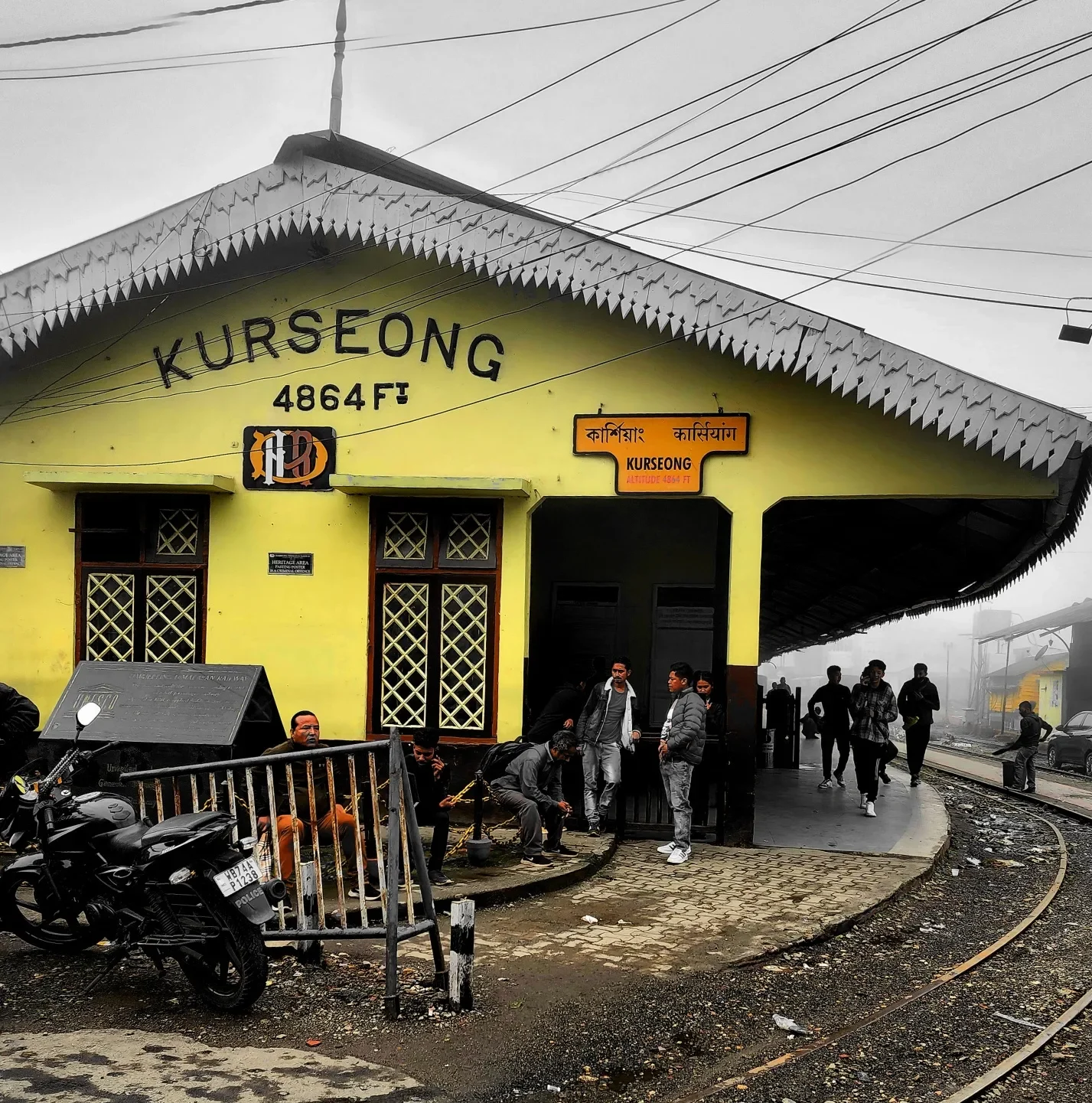
The nearest main-line railway station is NJP (New Jalpaiguri), around 40 kilometres from Kurseong, or Siliguri Junction. From there, you can hire a taxi or take a shared jeep. If you want the nostalgic experience, the Darjeeling Himalayan Railway (the toy train) runs through Kurseong, and a joyride from Kurseong station is a lovely add-on. Services and timings change, so always check the current schedule.
By Air
Bagdogra Airport is the closest airport, about 40 kilometres from Kurseong. Prepaid taxis are available at the airport and the drive takes roughly 1 hour.
Kurseong to Darjeeling Distance
If Kurseong is a stop on a longer hill trip, the Kurseong to Darjeeling distance is about 30 kilometres by road. The drive takes roughly 1.5 hours because of the winding roads, the slow-moving traffic through small markets such as Ghoom and Sonada, and occasional landslide diversions during the monsoon.
This makes Kurseong an excellent base if you want to explore on a budget. Hotels and homestays in Kurseong are generally quieter and cheaper than comparable options in Darjeeling, and you can easily do a day trip to Darjeeling and return by evening. Many travellers also break the journey and stay one night at Kurseong before continuing to Darjeeling, which helps the body adjust to altitude gradually.
For onward planning, Kalimpong is a few hours further by road via Siliguri or Teesta, and Mirik is reachable via the Pankhabari road. We have separate guides for those destinations on this site.
Kurseong Weather: What to Expect Through the Year
Kurseong weather is one of its biggest attractions. At around 1,458 metres, the town enjoys a cool, pleasant climate for much of the year, noticeably milder than the hot plains below and slightly warmer and less biting than Darjeeling.
Kurseong Temperature by Season
The Kurseong temperature varies widely through the year. The ranges below are broad estimates, and actual conditions can vary from day to day.
| Season | Months | Typical temperature | What it feels like |
|---|---|---|---|
| Spring | March to May | About 12°C to 25°C | Pleasant, clear mornings, blooming rhododendrons and orchids |
| Monsoon | June to September | About 15°C to 22°C | Heavy rain, mist, landslide risk, lush greenery |
| Autumn | October to November | About 10°C to 20°C | Crisp, clear skies, best mountain views |
| Winter | December to February | About 3°C to 15°C | Cold mornings and nights, occasional fog, sometimes frost |
Best Time to Visit Kurseong
The finest months are March to May and October to early December. During spring, the weather is mild and tea gardens look vibrant. In autumn, the skies are clearest and, on a good day, you can see the Kanchenjunga range from certain viewpoints. Winter is cold but quiet, perfect if you like cosy fireplaces and empty roads. The monsoon is the least ideal season because of heavy rainfall and landslides on NH110, though it is also the cheapest time to visit and the hills are spectacularly green.
What to Pack
Carry light woollens even in summer, as evenings turn cool. In winter, bring heavy jackets, thermals, gloves and a cap. In the monsoon, an umbrella or raincoat and shoes with good grip are essential.
Top Places to Visit in Kurseong
Kurseong rewards slow exploration. Here are the places that deserve a spot on your list.
Dow Hill Kurseong
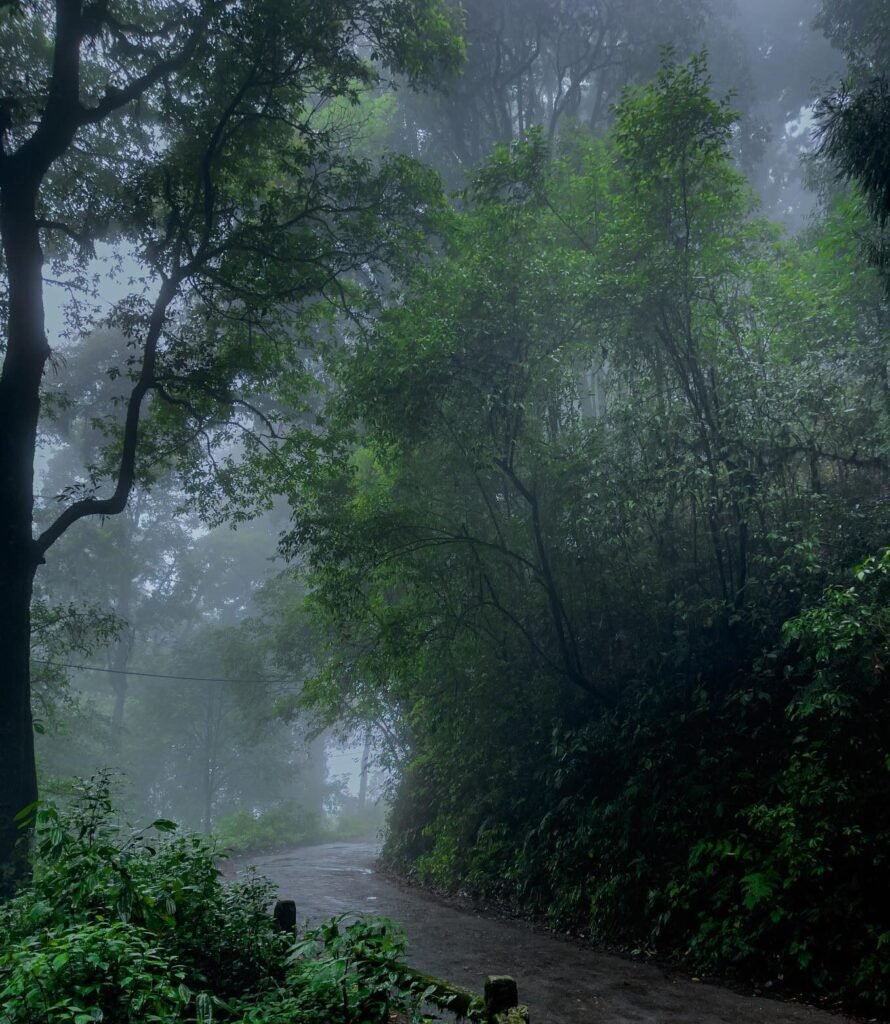
Image by @meaning_lens (https://www.instagram.com/meaning_lens)
Dow Hill Kurseong is the most atmospheric corner of the town and a must-see. Located a few kilometres uphill from the main bazaar, Dow Hill is a forested ridge covered with tall cryptomeria and pine trees. The winding road that climbs through it is lined with mist, moss-covered trunks and old colonial-era buildings.
Dow Hill is home to well-known educational institutions, a forest office and a small forest museum. It also has a reputation for ghost stories, which locals love to share. Tales of a headless figure and unexplained happenings along the forest road have given the area a spooky charm, and these stories are a big part of why people visit. Whether you believe them or not, walking here on a foggy afternoon is genuinely atmospheric.
Tips for visiting Dow Hill:
- Go in the morning or early afternoon so you are not on the forest road after dark.
- Hire a taxi for the round trip or ask your hotel to arrange one; walking uphill is tiring.
- Carry a jacket, as the dense tree cover keeps it cooler than the town.
- Respect the schools and forest areas and follow any entry rules posted.
Chimney Kurseong
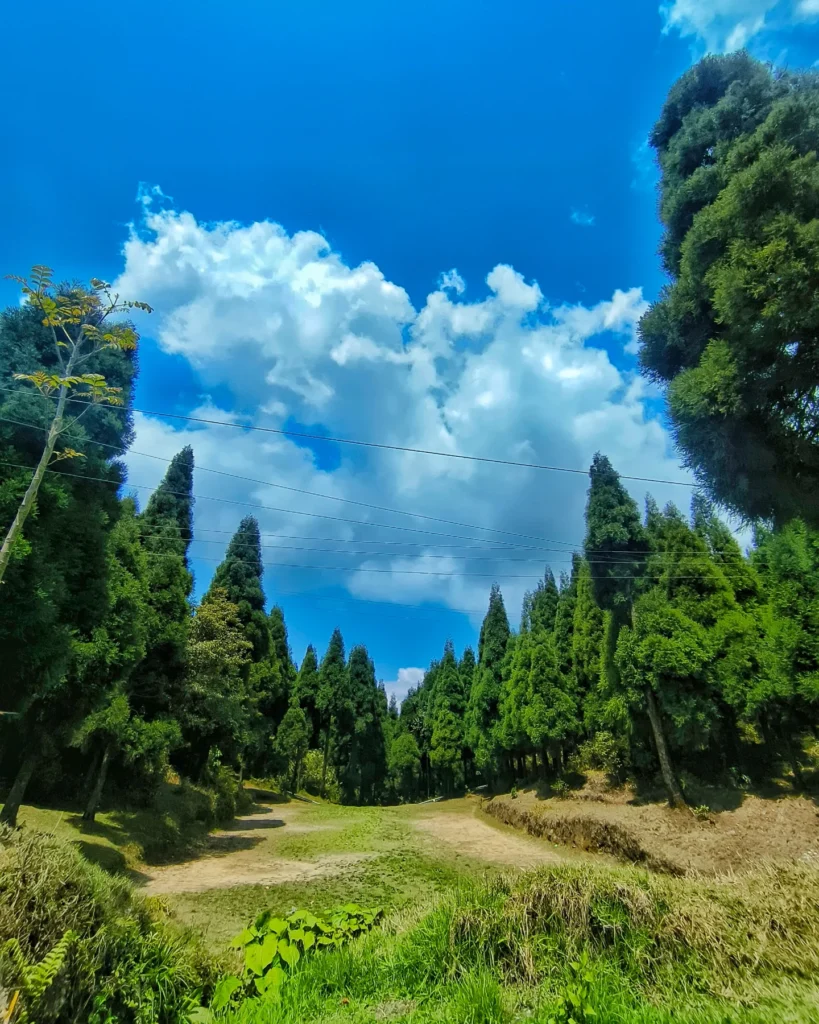
Image by @stylewithshibani (https://instagram.com/stylewithshibani)
Chimney Kurseong is a quiet hamlet on the ridge above the town, popular with travellers who want a peaceful, offbeat stay away from the bazaar crowd. It is known for its calm surroundings, village walks and views over the tea slopes and the plains in clear weather. A handful of homestays and small stays have opened here in recent years, and it is a good choice if you want to wake up to birdsong rather than horns.
If you plan to stay at or visit Chimney, confirm road conditions and directions with your host beforehand, as the access roads are narrow and can be affected by rain. Mobile networks can be patchy, so download offline maps before you go.
Eagle’s Crag
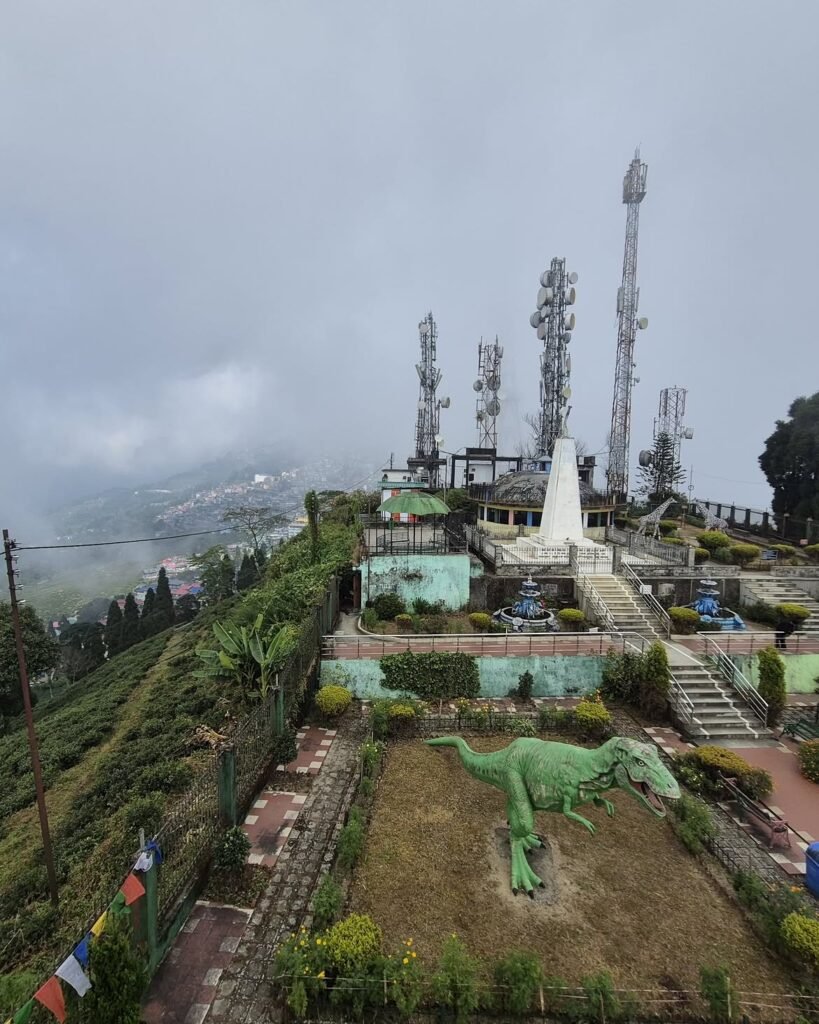
Image by @pravat.sarkar.official (https://instagram.com/pravat.sarkar.official)
Eagle’s Crag is a rocky viewpoint above the town, offering sweeping views of the plains and, on clear days, glimpses of the snow peaks. It is a short climb and a popular spot for sunrise photography.
Giddapahar and the Netaji Connection
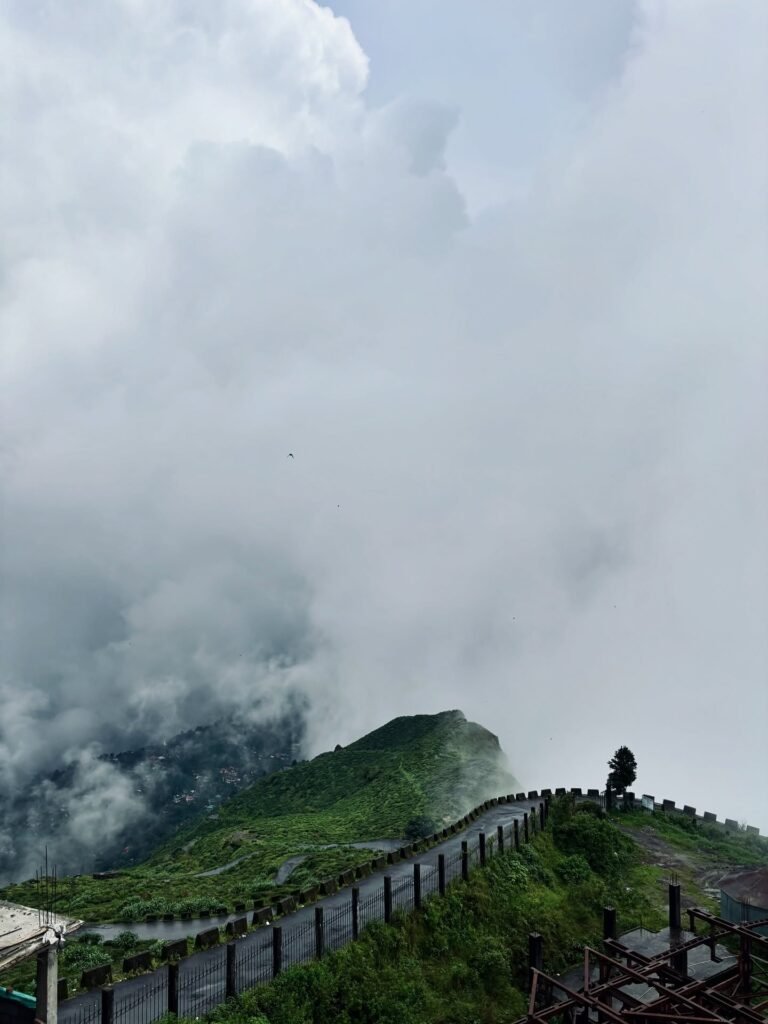
Image by @zainmotovlogs_(https://instagram.com/zainmotovlogs_)
Giddapahar (also written Gidda Pahar) is a hillside area with a notable historical link. The freedom fighter Netaji Subhas Chandra Bose is known to have stayed in Kurseong during the 1930s, and a house associated with his stay has been preserved as a small museum. It is a meaningful stop for history lovers.
Tea Estates: Makaibari and Castleton
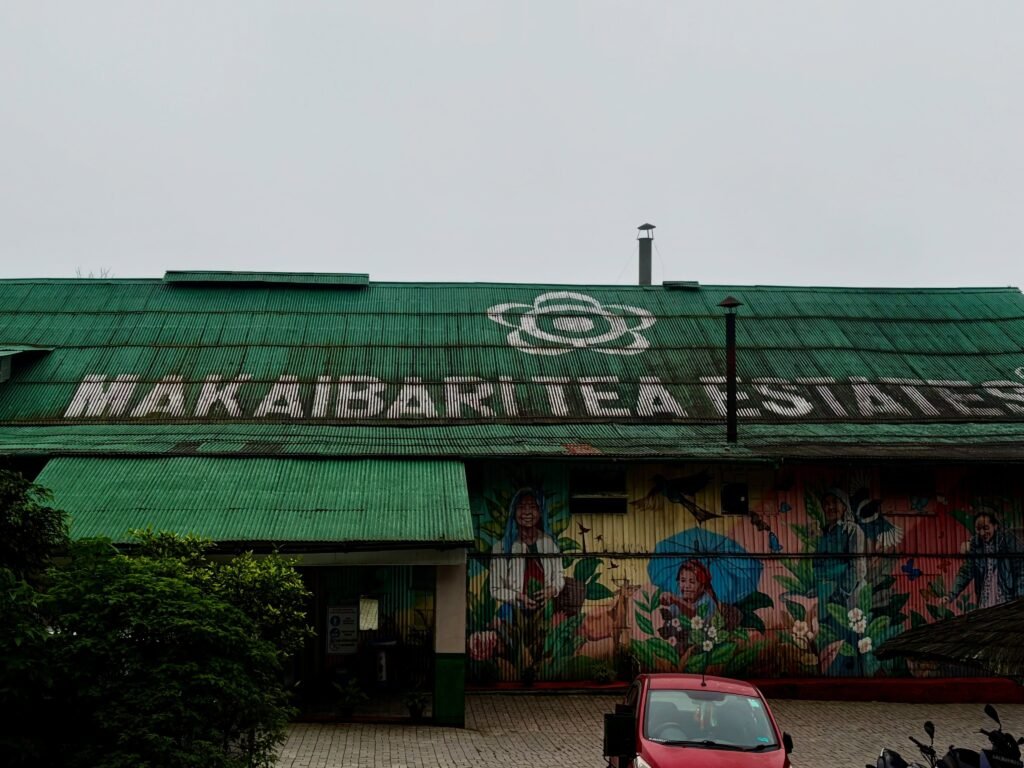
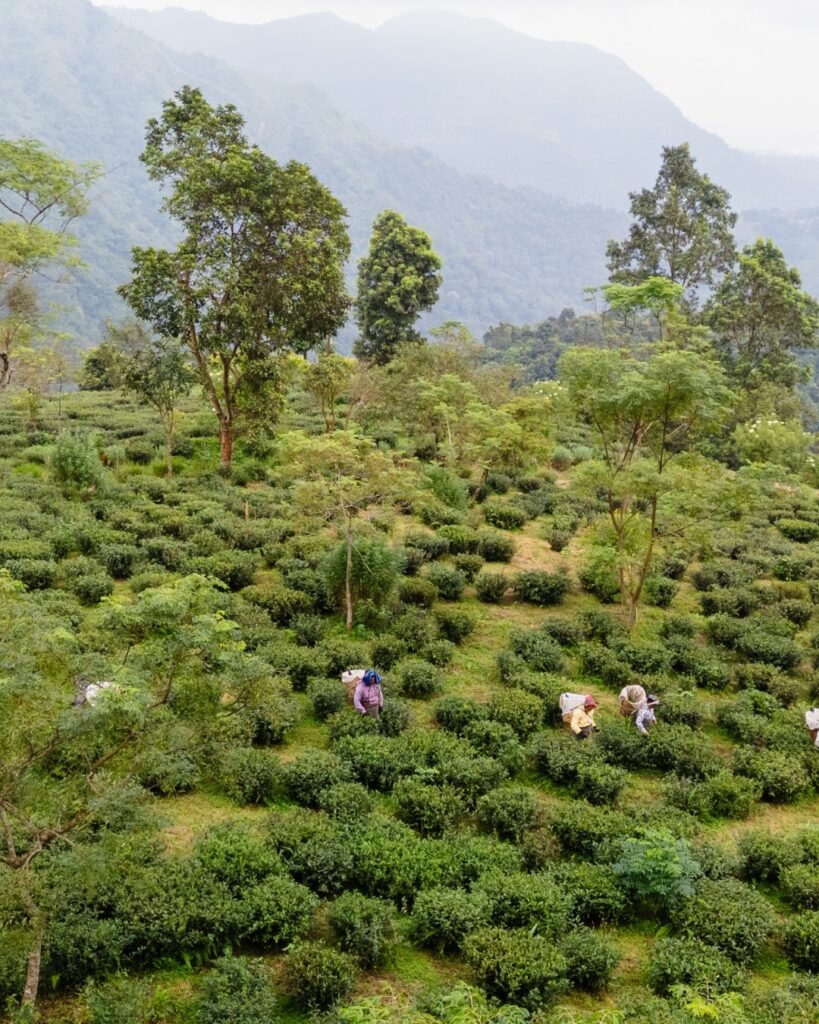
Image by https://www.instagram.com/hampsteadtea & https://www.instagram.com/live_life_large_l3
Kurseong is a tea-lover’s paradise. Makaibari is one of the most famous estates in the Darjeeling region, known for its organic and biodynamic practices and for producing some of the world’s most expensive teas. Castleton is another renowned estate with picturesque slopes. Many estates allow visits, factory tours and tastings, usually by prior arrangement. Plucking season in spring and summer is the best time to see the process in action.
Darjeeling Himalayan Railway
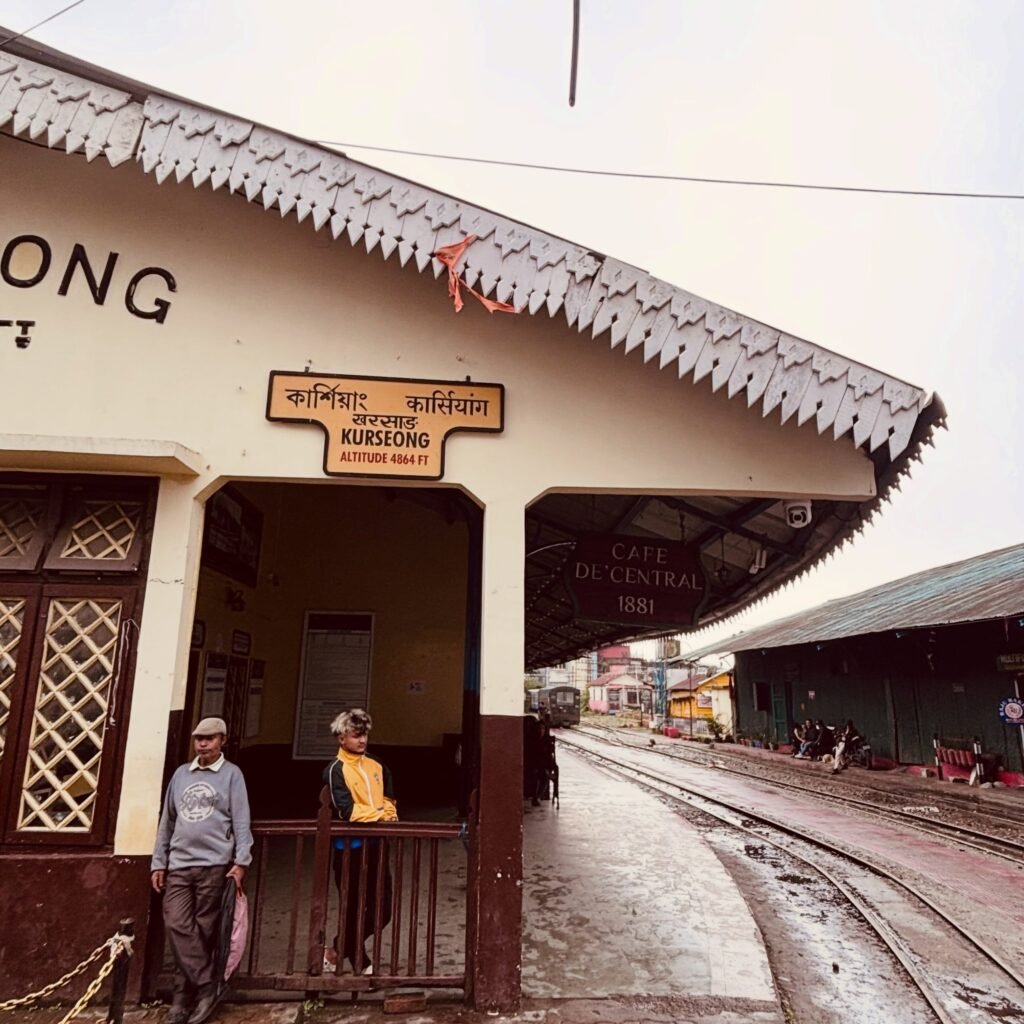
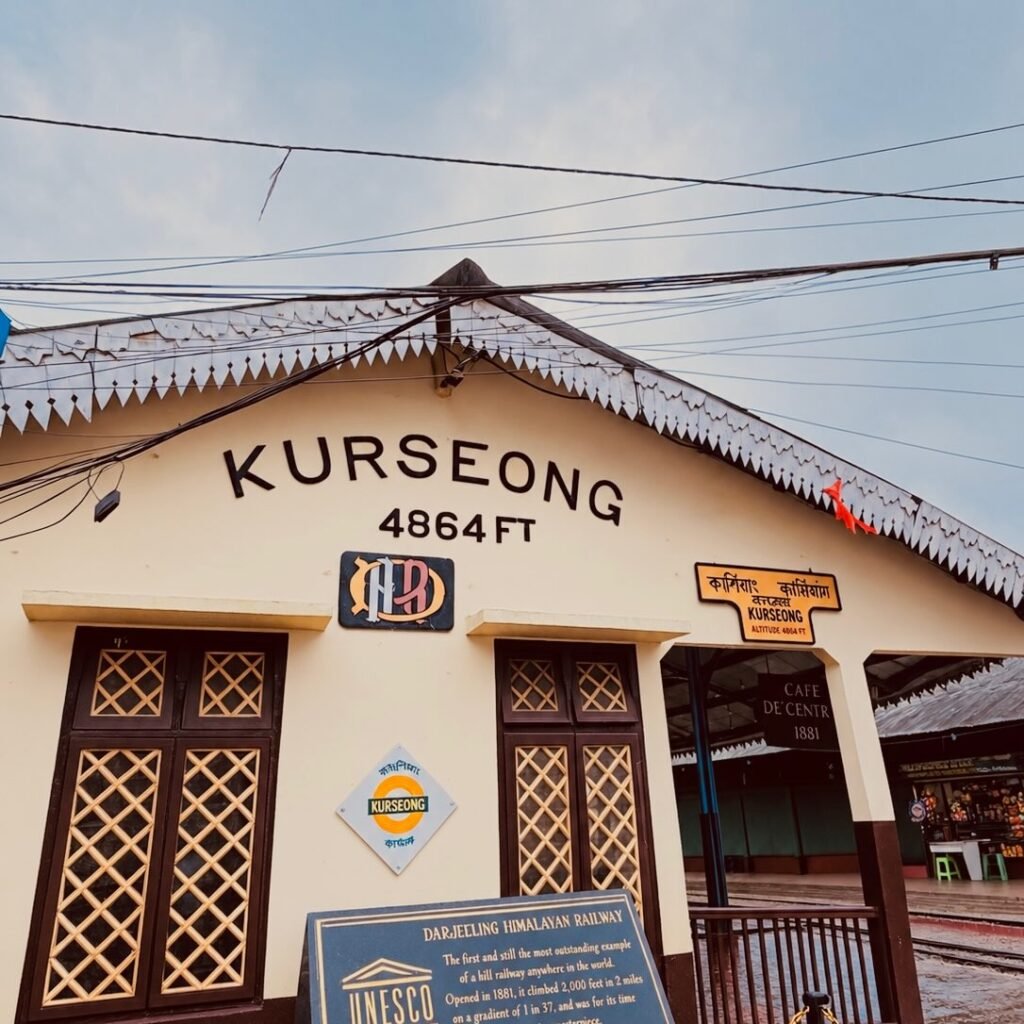
Image by https://www.instagram.com/bishaal_307
The toy train is a UNESCO World Heritage railway, and Kurseong station is one of its most charming stops. The train passes along the main road, sometimes right through the market. Even if you do not take a long ride, spend time at the station and watch the little engine arrive.
Mahananda Wildlife Sanctuary
The forests around Kurseong are linked to the Mahananda Wildlife Sanctuary, a region known for birdlife and occasional wildlife sightings. Nature walks and bird-watching are good ways to spend a morning, ideally with a local guide.
Kurseong Hotels and Where to Stay
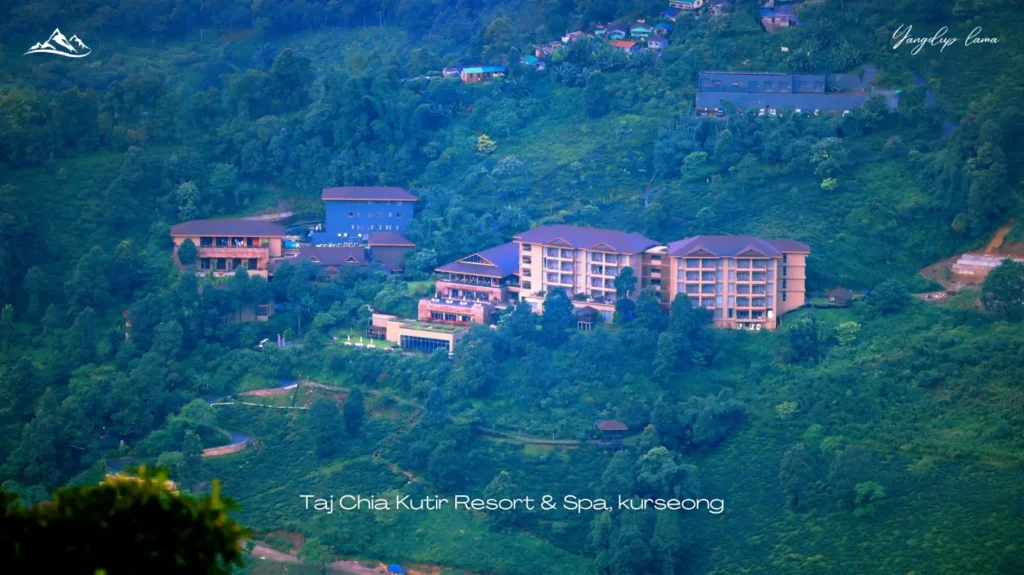
Image by https://www.instagram.com/yangdup_syangdan30/
Choosing among Kurseong hotels depends on your budget and the kind of experience you want. Kurseong offers a good mix of heritage properties, simple hotels and family-run homestays.
Heritage and Premium Stays
The best-known heritage property is Cochrane Place, a restored colonial-era building set among tea gardens. It appeals to travellers who want old-world charm, good food and a quiet stay, and it generally sits at the higher end of the price range. A few other boutique and resort-style properties operate on the slopes around town.
Mid-Range Hotels
Several mid-range hotels line Hill Cart Road and the roads leading up to Dow Hill. These typically offer comfortable rooms, hot water, in-house restaurants and basic parking. The government-run Kurseong Tourist Lodge is another option many families consider.
Budget Hotels and Homestays
Budget hotels near the railway station and bazaar are convenient for backpackers and short stays. Homestays, especially in and around Chimney and the tea estates, give you home-cooked meals and local conversation, and they are often the most rewarding choice.
Tips for Booking Kurseong Hotels
- Book early for October, November and the spring festival season; weekends can sell out.
- Check whether the property has parking and how steep the access road is.
- Ask about heating in winter and about hot-water availability.
- Read recent reviews, as quality and services can change.
- Compare prices on booking platforms with the hotel’s direct rates.
Prices vary by season and property, so verify current rates before booking.
What to Eat in Kurseong
Kurseong’s food reflects its Nepali, Tibetan and Bengali influences. Do not leave without trying:
- Momos and thukpa, the hill staples, best eaten hot on a cold evening.
- Sel roti and aloo dum, a popular local breakfast.
- Thali meals with dal, rice, vegetables and gundruk or local greens.
- Darjeeling tea, of course, ideally bought straight from an estate or a trusted local shop.
- Local sweets and bakery items from small shops near the market.
A Sample 2-Day Kurseong Itinerary
Day 1: Town and Dow Hill
Arrive from Siliguri in the morning and check in. After lunch, visit Dow Hill and the forest museum, then stop at Eagle’s Crag for the view. Return to town in the evening, take a short toy train ride or walk around the station, and enjoy hot momos for dinner.
Day 2: Tea, Chimney and Departure
Visit a tea estate in the morning for a tour and tasting. Drive up to Chimney for a village walk and lunch at a homestay. If time permits, stop at the Netaji museum at Giddapahar before heading to Darjeeling or back to Siliguri in the afternoon.
If you have a third day, add a bird-watching morning near the sanctuary or continue to Darjeeling.
Practical Travel Tips for Kurseong
- Carry cash. ATMs exist in town, but they can run out, and many homestays prefer cash.
- Plan for landslides. In the monsoon, keep a buffer day in your schedule.
- Start early. Mornings are clearer for views and safer for driving.
- Respect local culture. Dress modestly in villages and ask before photographing people.
- Avoid plastic. Carry a reusable bottle and take your waste back with you.
- Check road conditions on NH110 before departing, especially after heavy rain.
- Watch your pace. The town is hilly, so wear comfortable shoes.
Frequently Asked Questions About Kurseong
What is the Kurseong PIN code? The main PIN code for Kurseong is 734203.
What is the Siliguri to Kurseong distance? It is roughly 30 to 35 kilometres by road, taking about 1 to 1.25 hours.
What is the Kurseong to Darjeeling distance? About 30 kilometres by road, typically 1.5 hours.
How cold does Kurseong get? Winter nights can fall to around 3°C to 5°C, while summer days are mild, usually below 25°C.
Is Dow Hill safe to visit? Yes, during the day. It is a popular, well-travelled area. Avoid the forest road after dark and go with a local driver if you are unsure.
Is Chimney Kurseong good for a stay? It is ideal for a quiet, nature-focused stay. Confirm directions and road conditions with your host.
Which is better, Kurseong or Darjeeling? Darjeeling has more attractions and crowds. Kurseong is calmer, cheaper and better for slow travel. Many people combine both.
Final Thoughts
Kurseong may not have the fame of Darjeeling, but it offers something increasingly rare: space to breathe. Between the mist on Dow Hill, the stillness of Chimney, the aroma of fresh tea and the whistle of the toy train, it gives you a genuine taste of the hills without the rush. Whether you stay a night on the way to Darjeeling or spend a few days exploring, Kurseong is a destination that grows on you.
Have you visited Kurseong? Share your experience in the comments, and explore our other guides to Darjeeling, Kalimpong, Mirik, Lamahatta and Sittong on darjeelingtrip.com.